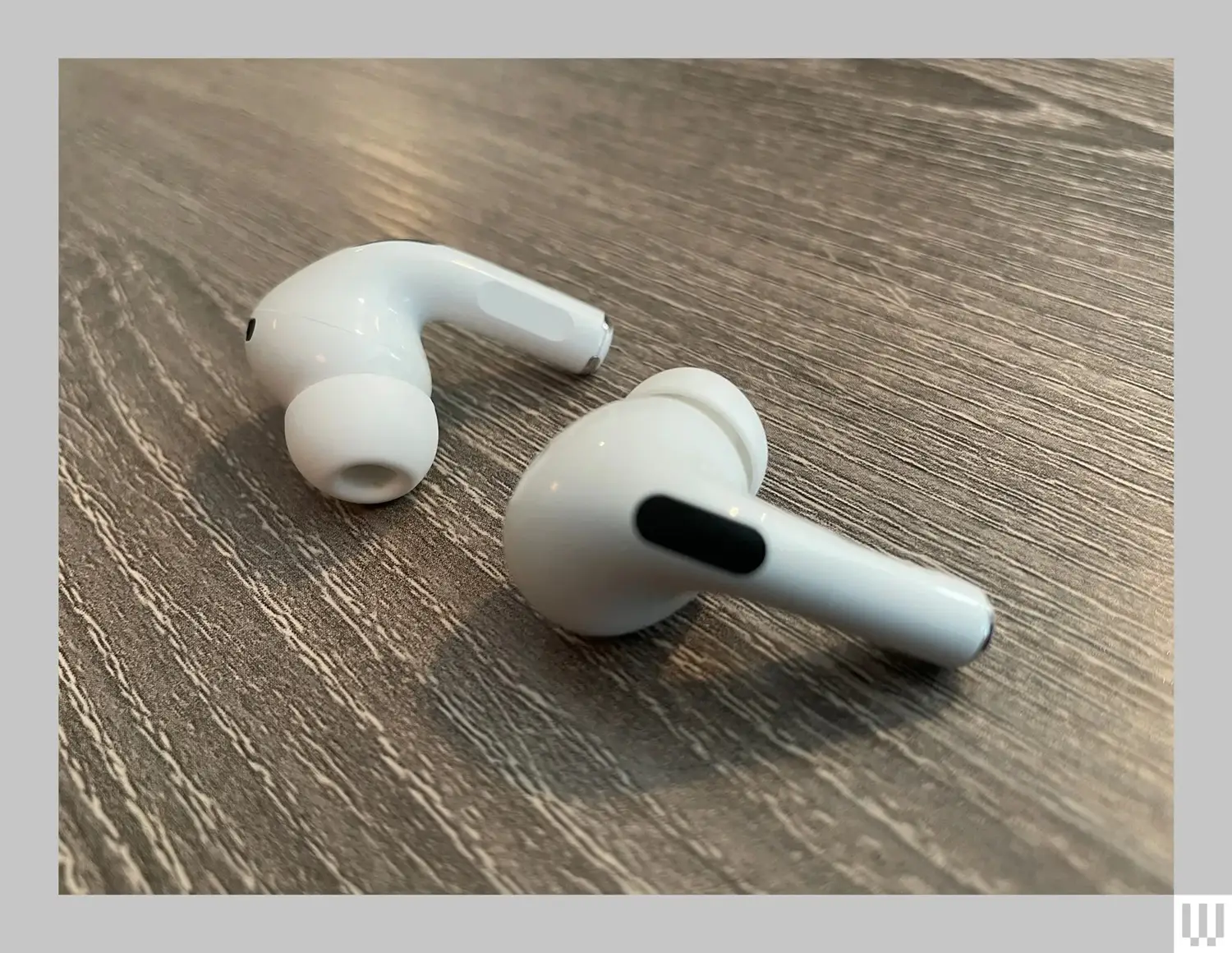
AirPods Pro 2 as OTC Hearing Aids: What Independent Research Actually Found
Summarized by Kim Fishman, Audiologist | Hears Hearing & Hearables
Original study: “Evaluating Apple AirPods Pro 2 Hearing Aid Software: Acoustic Measurements and Insights” — Nicky Chong-White, PhD; Matthew Croteau, MClinAud; Padraig Kitterick, PhD; and Brent Edwards, PhD. National Acoustic Laboratories, Sydney, Australia. Published in The Hearing Review, April 2025.
When Apple launched its FDA-cleared Hearing Aid Feature for AirPods Pro 2 in October 2024, opinions divided quickly. Tech reviewers were enthusiastic. Many audiologists were skeptical. What was missing from most of that conversation was controlled laboratory science.
Researchers from the National Acoustic Laboratories (NAL) in Sydney, Australia, one of the most respected independent hearing research institutions in the world, conducted exactly that kind of rigorous evaluation. Their findings, published in The Hearing Review in April 2025, provide the most credible independent assessment of AirPods Pro 2 as hearing aids that we’ve seen to date.
This post summarizes their key findings in plain language, explains what the technical measurements mean for everyday use, and shares our clinical perspective on what the research means for people with hearing loss who are considering the AirPods Pro 2 as an option. For our full professional review of the AirPods Pro 2 hearing aid feature.
What the NAL Researchers Tested, and How
The NAL study used controlled laboratory conditions to measure three specific capabilities of the AirPods Pro 2 Hearing Aid Feature (HAF):
- Insertion gain across multiple hearing loss profiles, and how well the device amplifies sound for different types of hearing loss
- Media Assist Mode performance and how the device enhances audio from media sources like phone calls, music, and streaming
- Beamforming and signal-to-noise ratio in Conversation Boost mode and how effectively the device isolates speech from background noise
Measurements used the International Speech Test Signal (ISTS) at multiple input levels, the same standardized signal used to evaluate conventional hearing aids. This methodology allows meaningful comparison between AirPods Pro 2 and purpose-built hearing aids, which is exactly what makes this study valuable.
Finding 1: Insertion Gain: How Much Does It Actually Amplify?
What is insertion gain? (Plain language explanation)
Insertion gain measures how much a hearing device amplifies sound after it’s placed in your ear, the ‘boost’ the device gives to sounds at different frequencies. A well-fitted hearing aid is programmed to amplify the specific frequencies you struggle with most, while leaving sounds you hear well relatively unchanged.
Think of it this way: if you have trouble hearing high-pitched voices but low-pitched sounds are fine, a good hearing aid should amplify the high frequencies significantly while leaving bass sounds alone. The precision of that targeting is what the insertion gain measurement reveals.
What the research found
The NAL researchers found that the AirPods Pro 2 in Hearing Aid Mode did provide meaningful amplification across a range of hearing loss profiles. The device’s volume, tone, and balance adjustments allowed users to customize amplification. and the device responded appropriately to different hearing configurations set up through the iPhone.
However, the study noted important limitations compared to conventional hearing aids:
- The range of adjustable volume was narrower than traditional hearing aids, approximately 10 dB of adjustment range versus the broader range available in professionally programmed devices
- Tone adjustments were limited to approximately 3–4 dB in either direction, sufficient for mild loss profiles but potentially inadequate for more complex hearing patterns
- For users whose hearing loss varies significantly across frequencies, the customization ceiling may mean the device cannot fully address their specific amplification needs
Research verdict on insertion gain: Meaningful amplification for mild to moderate hearing loss profiles, with a customization ceiling that may limit effectiveness for more complex or variable hearing loss patterns.
Finding 2: Media Assist Mode; Clearer Sound for Streaming
What is Media Assist Mode? (Plain language explanation)
Media Assist Mode enhances audio from media sources, music, phone calls, videos, and podcasts. played through your iPhone to your AirPods. Rather than simply amplifying everything, it applies your personal hearing profile to the audio, boosting the frequencies you need more of and leaving others balanced.
Think of it as having a personal sound engineer who knows your hearing profile, adjusting the equalizer for every piece of media you listen to, so that everything sounds balanced and clear to your specific ears rather than to average ears.
What the research found
The NAL study measured the gain applied during media streaming and found genuine improvements in audio clarity and volume for users with hearing impairment. The feature provided real benefit, making media content more accessible and enjoyable for users whose hearing loss would otherwise cause them to miss details in audio content.
The researchers noted that the degree of enhancement varied depending on:
- The user’s specific hearing loss profile, with more variable hearing loss patterns, showed more variable results
- The nature of the media content, speech-heavy content (phone calls, podcasts) benefited more consistently than complex musical content
Research verdict on Media Assist: A genuine benefit for media consumption, particularly for speech-heavy content like phone calls and podcasts. One of the strongest real-world use cases for the AirPods Pro 2 hearing aid feature.
Finding 3: Conversation Boost Beamforming: Speech in Noise
What is beamforming? (Plain language explanation)
Beamforming is a microphone technology that focuses on sound coming from a specific direction, in this case, directly in front of the user, while reducing sounds coming from other directions. In hearing aid terms, this means focusing on the voice of the person you’re talking to while reducing the background noise of a restaurant, party, or crowded room.
It’s one of the most important technologies in modern hearing aids, because hearing in noisy environments is the single most common challenge people with hearing loss describe.
What the research found
The NAL researchers measured Conversation Boost and found that the AirPods Pro 2’s beamforming technology provided a measurable improvement in signal-to-noise ratio, meaning speech coming from directly in front of the user was more audible relative to background noise. This is a real and meaningful finding: the feature does what it claims to do in controlled conditions.
However, the researchers noted two important qualifications:
- Environmental factors significantly affected performance; the benefit was more consistent in controlled conditions than in complex real-world acoustic environments
- Positioning of the conversation partner mattered; the beamforming benefit was greatest when the speaker was directly in front of the user and diminished when speakers were at angles or moving around the user
Research verdict on Conversation Boost: Measurable speech-in-noise improvement in controlled conditions, with real-world performance dependent on positioning and acoustic environment. Best suited for structured face-to-face conversations rather than dynamic, multi-speaker settings.
What the Researchers Concluded Overall
The NAL team’s overall conclusion was measured and precise, exactly what you’d expect from rigorous independent researchers:
The AirPods Pro 2 demonstrate potential as assistive hearing devices for individuals with mild-to-moderate hearing loss. While they offer notable benefits in amplifying ambient sounds, enhancing media playback, and improving speech understanding in noisy settings, there are inherent limitations. The customization options and performance may not fully match those of dedicated hearing aids, and factors such as environmental noise and device positioning can affect efficacy. Therefore, while the AirPods Pro 2 serve as a valuable and accessible hearing assistance option, they may be best suited for users with specific needs or as a supplementary aid alongside traditional hearing devices.
That last phrase, ‘supplementary aid alongside traditional hearing devices,’ is worth sitting with. Independent researchers, not audiologists with a prescription product to sell, concluded that the AirPods Pro 2 hearing aid feature may work best as a complement to conventional hearing aids rather than a replacement for them.
Our Clinical Perspective: What This Research Means for You
The NAL study validates what we concluded in our own professional assessment: the AirPods Pro 2 hearing aid feature is genuinely capable, meaningfully limited, and well-suited to a specific type of user.
The research is particularly useful because it gives us precise language for where the limits are. It’s not that the AirPods Pro 2 don’t work as hearing aids; they do, in controlled conditions and for the right profiles. It’s that the customization ceiling, the positioning dependency of Conversation Boost, and the variability in Media Assist performance across different hearing profiles mean that a meaningful portion of people who try them will hit a wall that a dedicated hearing aid wouldn’t have.
The battery life issue, approximately 5 to 6 hours in hearing aid mode versus the 12 to 16 hours most people need for all-day use, isn’t addressed in the NAL study because it’s not an acoustic measurement question. But it’s the most practical limitation for the majority of potential users, and worth stating clearly alongside the research findings.
For users whose needs the AirPods Pro 2 don’t fully meet, whether because of more complex hearing loss, all-day wear requirements, or speech-in-noise performance needs, prescription hearing aids fitted by a professional remain the appropriate path.
Not Ready to Commit to New Hearing Aids? Consider Our Consignment Option
One of the things we hear most from patients sitting in the middle of this decision, AirPods Pro 2, OTC device, or prescription hearing aid, is that they want to try before they fully commit. That’s a completely reasonable place to be.
At Hears Hearing & Hearables, we offer consignment hearing aids, professionally programmed pre-owned devices that let you experience what properly fitted hearing aids actually sound like before investing in new ones. You get:
- A personalized fit and professional programming from our audiologist team
- Real-world trial time in your daily environments: restaurants, meetings, TV at home, conversations with family
- Confidence in your decision before committing to new hearing aids
The difference between AirPods Pro 2 and a properly fitted hearing aid is a bit like the difference between reading glasses from the drugstore and a custom pair from an eye doctor; the drugstore readers work well for some people and fall short for others. The only reliable way to know which category you’re in is to try both. Our consignment program makes that comparison possible at a lower cost and risk. [LINK to consignment hearing aids page]
Want Help Making Sense of the Options?
Research papers are useful. Professional guidance is better. If you’ve read this summary and our AirPods Pro 2 review and still aren’t sure which direction is right for your specific hearing situation, reach out to our team. A 10-minute telehealth call can often cut through more confusion than hours of reading.
Contact us, schedule a telehealth call, or browse our full hearing aid selection to get started.
— Kim Fishman, Audiologist | Hears Hearing & Hearables, Hopkins, Minnesota
Frequently Asked Questions: NAL Research on AirPods Pro 2 Hearing Aids
What did the National Acoustic Laboratories find about AirPods Pro 2 as hearing aids?
Researchers from the National Acoustic Laboratories in Sydney, Australia, found that the AirPods Pro 2 Hearing Aid Feature provides meaningful amplification for mild to moderate hearing loss, genuine improvement in media audio clarity, and measurable speech-in-noise benefit through Conversation Boost beamforming. They concluded the device is best suited for users with specific needs or as a supplementary aid alongside traditional hearing devices, acknowledging both real capability and inherent limitations compared to dedicated hearing aids.
What is insertion gain, and why does it matter for AirPods Pro 2?
Insertion gain measures how much a hearing device amplifies sound at different frequencies after it’s placed in the ear. The NAL study found that AirPods Pro 2 provide meaningful amplification across mild to moderate hearing loss profiles, but with a narrower adjustment range than conventional hearing aids, approximately 10 dB of volume adjustment and 3–4 dB of tone adjustment. For users with more complex or variable hearing loss patterns, this ceiling may limit the device’s effectiveness.
How well does AirPods Pro 2 Conversation Boost work in noisy environments?
The NAL study found that Conversation Boost’s beamforming technology provided a measurable improvement in signal-to-noise ratio in controlled laboratory conditions. However, real-world performance was affected by the positioning of conversation partners and the complexity of the acoustic environment. The feature works best in structured face-to-face conversations and shows less consistent benefit in dynamic, multi-speaker settings.
What is Media Assist Mode on AirPods Pro 2?
Media Assist Mode applies your personal hearing profile to media audio, music, phone calls, podcasts, and videos, making content clearer and better balanced for your specific hearing needs. The NAL study found genuine improvement in audio clarity for media content, particularly speech-heavy content like phone calls and podcasts. Results were more variable for complex musical content.
Are AirPods Pro 2 a replacement for hearing aids?
Based on independent research from the National Acoustic Laboratories, AirPods Pro 2 are best described as a supplementary hearing assistance option rather than a replacement for dedicated hearing aids, particularly for users whose hearing loss is more than mild, who need all-day wear (battery life is approximately 5–6 hours in hearing aid mode), or who require more precise customization than the device’s adjustment range allows. For our full professional assessment, see our AirPods Pro 2 hearing aid review.
What are consignment hearing aids?
Consignment hearing aids are professionally programmed, pre-owned hearing aids available through Hears Hearing & Hearables. They allow patients to experience properly fitted hearing aids, programmed specifically to their hearing profile, before committing to new hearing aid purchase. It’s a lower-cost, lower-risk way to understand what professional fitting actually delivers, and to compare that experience with self-fit OTC options like AirPods Pro 2.