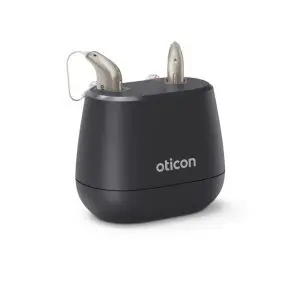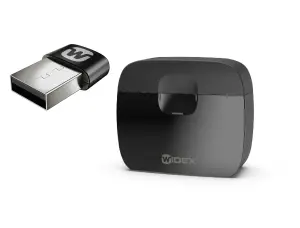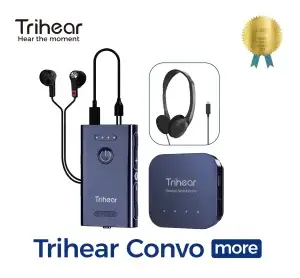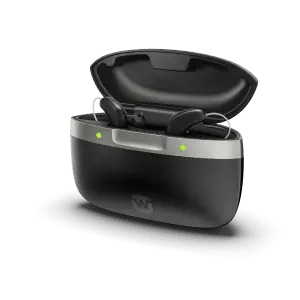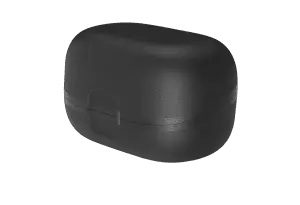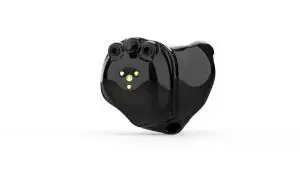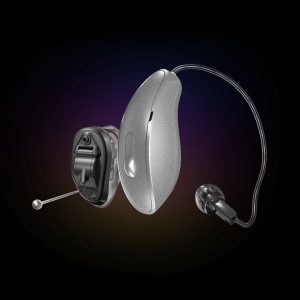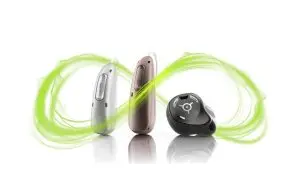
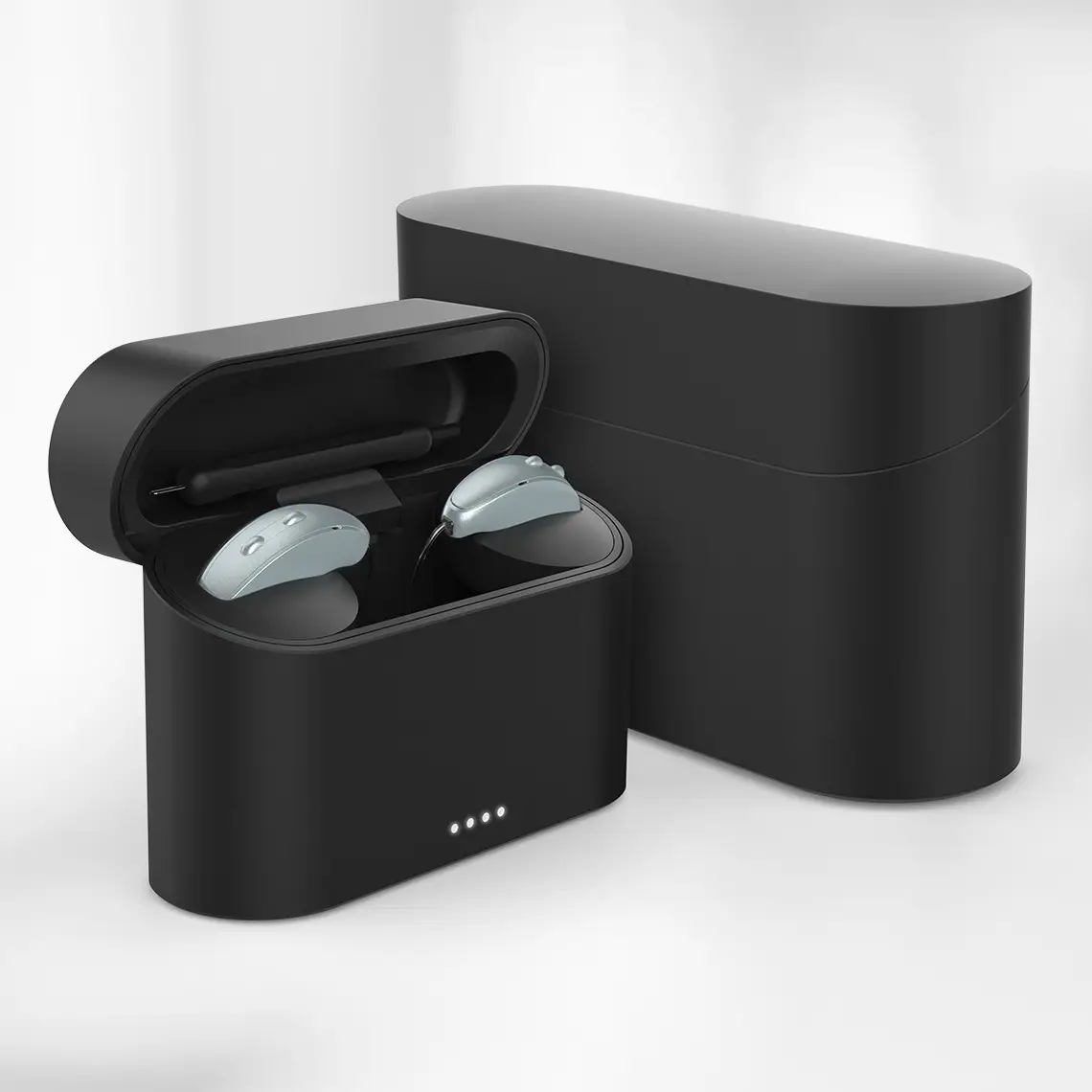
Finding the right replacement hearing aid charger can be confusing, especially when many chargers look similar but only work with specific hearing aid models. This guide is here to help you identify the correct charger for your device, understand the differences between common charger types, and avoid ordering the wrong replacement. If you are ready to shop, you can browse our hearing aid chargers here.
Whether you need a replacement because your original charger was lost, damaged, or no longer working properly, matching the charger to your exact hearing aid model is the most important step. Some chargers are brand-specific, while others are made for only certain styles or generations within a brand. That is why we recommend checking your model carefully before purchasing.
In this guide, we will walk through how hearing aid chargers work, what to look for when choosing a replacement, and common mistakes to avoid. Our goal is to make it easier for you to find the correct option with confidence and get back to using your hearing aids without unnecessary frustration.
The Power Behind Hearing Aids: The Lithium-Ion Charger
In the realm of hearing aid technology, the power source is a critical component that directly influences performance and convenience. At present, most modern hearing aids are equipped with rechargeable lithium-ion batteries. Offering users a more sustainable and cost-effective solution compared to traditional disposable batteries. In this blog post, we’ll delve into the world of lithium-ion chargers for hearing aids. Exploring their features, advantages, and tips for optimal use.
Lithium-Ion Batteries: A Game-Changer for Hearing Aids
Lithium-ion batteries have become the gold standard for many electronic devices, and hearing aids are no exception. These batteries are known for their high energy density, lightweight design, and longer lifespan compared to traditional batteries. The decision to incorporate lithium-ion technology into hearing aids has transformed the user experience. Providing a reliable and rechargeable power source.
The Lithium-Ion Charger: Features and Functions
- Compact and Portable:
Lithium-ion chargers for hearing aids are designed to be compact and portable. Ensuring users can easily carry them wherever they go. This portability is especially beneficial for those who lead active lifestyles and need a reliable charging solution on the move.
- Efficient Charging:
Lithium-ion chargers are designed for efficiency, providing a quick and reliable charging process. Users can expect shorter charging times compared to older battery technologies. Allowing them to spend less time waiting and more time enjoying the benefits of their hearing aids.
- Smart Charging Technology:
Many lithium-ion chargers feature smart charging technology, which helps optimize the charging process. This technology often includes features such as overcharge protection. Ensuring that the battery is not subjected to excessive voltage, which can impact its lifespan.
- Compatibility with Different Devices:
Lithium-ion chargers are typically designed to be versatile, compatible with various hearing aid models from the same manufacturer. This streamlines the user experience, as individuals can use a single charger for multiple devices. Obviously, this is not the case as new technology and features and shape of the hearing aids change. That leads us to the next section of this article on finding the right charger.
The Maze of Hearing Aid Chargers: We can help
Hearing aids have come a long way in recent years, with advancements in technology enhancing the quality of life for millions of people around the world. However, with these technological strides comes a challenge that many hearing aid users face, the multitude of chargers available on the market! In this blog post, we’ll explore the complexity of hearing aid chargers, the variety among different brands and generations, and offer some tips on navigating this tangled web.
The Charger Conundrum:
One might assume that a charger is a simple accessory. But in the world of hearing aids, it’s anything but straightforward. Every hearing aid manufacturer seems to have its proprietary charger, adding a layer of complexity for users. What’s more, even within the same brand, such as Starkey and all the vertical chains, different generations of hearing aid technology may require entirely different chargers. Resound, Phonak and Unitron also have very difficult charger decisions.
Why the Variety?
The hearing aid industry is continually evolving, with companies striving to improve battery life, charging speed, and overall user experience. This drive for innovation, while beneficial in many ways, has led to a proliferation of unique chargers for each model and generation. Manufacturers design chargers to be optimized for specific devices, taking into consideration factors like battery type, voltage, and charging mechanism.
The Generation Gap:
It’s not uncommon for individuals to upgrade their hearing aids every few years to access the latest features and improvements in technology. However, what many users may not anticipate is that their new and improved hearing aids may come with a completely different charger than their previous models. This creates confusion and frustration, as users find themselves needing to adapt to a new charging routine.
Finding the right charger often starts with identifying the brand behind your hearing aids. While model compatibility still matters, browsing chargers by brand can help narrow the options and make the replacement process easier.
If you already know your brand, you can start here:
- Browse Signia hearing aid chargers
- Browse Phonak hearing aid chargers
- Browse Widex hearing aid chargers
- Browse Oticon hearing aid chargers
- Browse Starkey hearing aid chargers
- Browse ReSound hearing aid chargers
- Browse Rexton hearing aid chargers
- Browse Unitron hearing aid chargers
If you are still unsure which charger fits your hearing aid model, contact us and we can help point you in the right direction.
A Picture Is Worth a Thousand Words:
One practical solution to the charger chaos is to provide users with a visual reference. Including images of chargers in user manuals and online resources can significantly aid in the identification and replacement process. This is especially crucial for users with older hearing aids, as chargers from more than five years ago might be challenging to find in stores or online.
When navigating the intricate world of hearing aid chargers, consider these helpful tips to ensure a seamless experience. Firstly, consult the user manual accompanying your hearing aids, as it serves as a valuable resource with information about the specific charger required, often accompanied by visual references. Explore online guides and resources offered by manufacturers on their official websites for comprehensive details regarding chargers and compatibility.
Don’t Hesitate to Ask for Help!
In cases of uncertainty, don’t hesitate to seek guidance from either the manufacturer’s customer support or our own; Ask Us. We understand that deciphering the right charger can be a confusing endeavor. So, we all should exercise patience in assisting one another. We genuinely appreciate your patience and kindness as we work together to ensure you find the appropriate charger for your particular hearing aid model.
Additionally, local hearing aid retailers and professionals can prove to be valuable allies in this journey. Drawing upon their expertise and experience with various chargers, they can offer insights to help you identify the charger that aligns perfectly with your specific needs. By incorporating these tips into your search, you can navigate the charger maze with confidence and make informed decisions tailored to your hearing aid requirements.
While the world of hearing aid chargers as an accessory purchase may seem like a confusing labyrinth. With a bit of patience and the right resources, users can successfully navigate the maze. As technology continues to advance, manufacturers may find ways to standardize charging solutions. But until then, understanding the charger landscape is essential for every hearing aid user. Remember, a picture of your charger is not just worth a thousand words; it could save you from a thousand headaches and some shipping charges! Email Us and send a picture. 🙂
Finally Tips for Optimal Use of Lithium-Ion Chargers·
- Follow Manufacturer Guidelines
Always adhere to the charging guidelines provided by the hearing aid manufacturer. This includes information on charging times, recommended usage patterns, and any specific precautions.
- Store in a Cool Dry Place
To maintain battery health, store the charger and hearing aids in a cool, dry place. Avoid exposing them to extreme temperatures, as this can impact battery performance.
- Regularly Check for Updates
Some manufacturers release firmware or software updates for their hearing aids and chargers. Regularly check for updates to ensure you are benefiting from the latest features and improvements.
- Consider a Spare Charger!
For users who travel frequently or spend extended periods away from power sources, having a spare charger can be a practical solution. This ensures that your hearing aids are always ready for use. Hence why we started this article. Hears Hearing & Hearables is meeting a need in the hearing health care market in helping people with hearing aids find their charger. We aren’t just in the hearing aid business; we tell our representatives we are in the business to meet our customers where they need help!
Thanks for reading! Cheers.