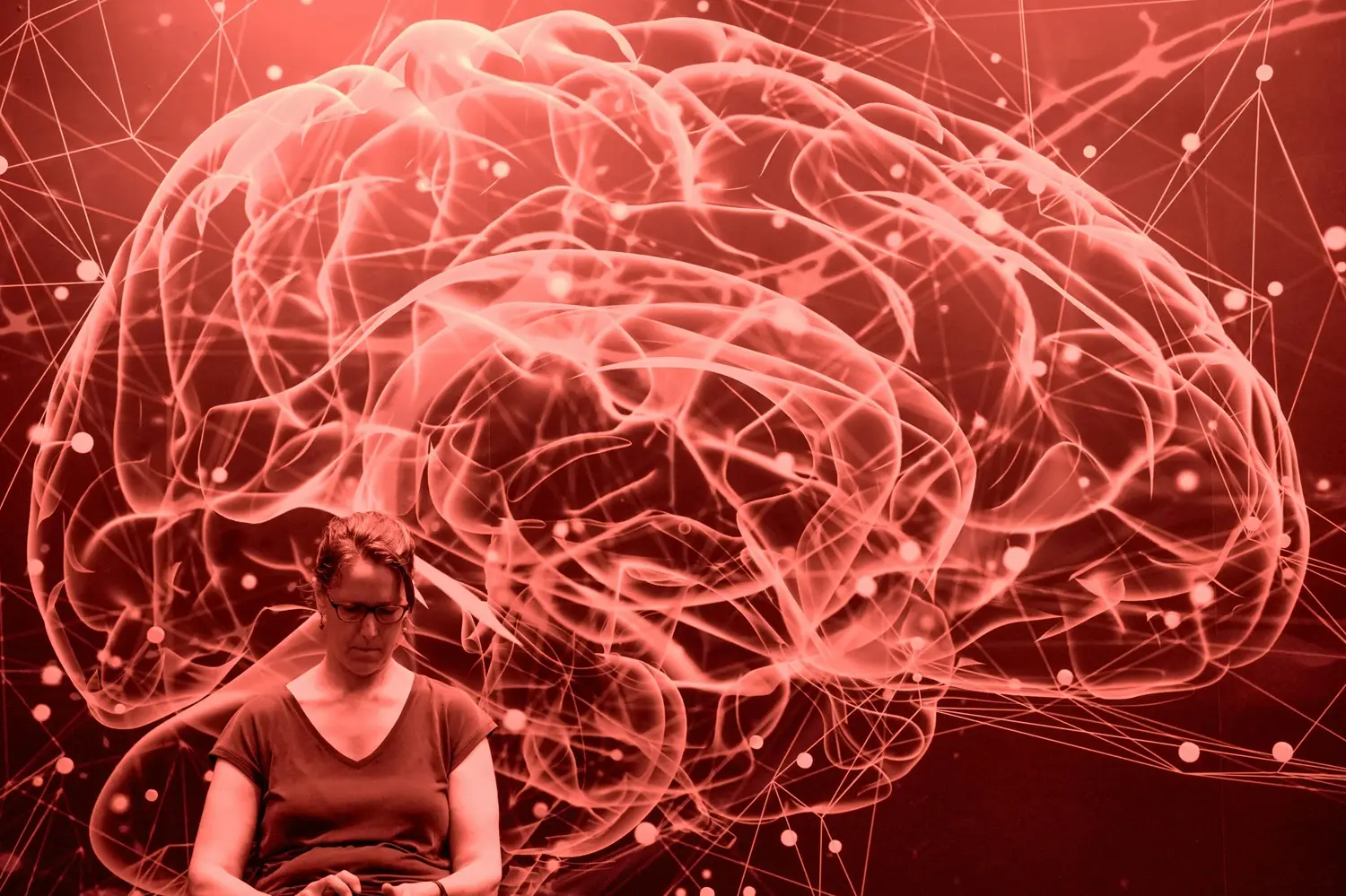
We talk a lot about the practical benefits of aural rehabilitation. Better conversations, less listening fatigue, more confidence at social gatherings, and so on. But there’s a larger story the research is telling that every person with hearing loss, and every family member who loves them, should know.
Treating hearing loss, and actively retraining the brain through auditory rehabilitation, may be one of the most powerful things a person can do to protect their long-term brain health.
What the 2024 Lancet Commission found
Every few years, the Lancet Commission on Dementia Prevention, Intervention, and Care, one of the most respected bodies in global health research, publishes an updated analysis of what we know about dementia risk and prevention. Their 2024 report, which incorporated new meta-analyses and data from populations around the world, reached a striking conclusion:
Hearing loss is the single largest modifiable risk factor for dementia in midlife.
The Commission identified 14 modifiable risk factors. A list that includes things like smoking, diabetes, physical inactivity, and high blood pressure. However, they found hearing loss carries the highest population-attributable fraction. Their analysis estimates that hearing loss accounts for approximately 7% of global dementia cases that could potentially be prevented. To put that in perspective: no single dietary change, exercise habit, or medication has that kind of modifiable impact on dementia risk in the midlife years.
The Commission also noted something encouraging: the evidence that treating hearing loss reduces dementia risk is now stronger than it has ever been. And hearing aid use in particular appears to be especially effective in people with hearing loss who also carry additional risk factors for dementia.
Why does hearing loss affect the brain?
Researchers believe the relationship works through several pathways:
Cognitive load. When the ears aren’t delivering a clear signal, the brain works harder to fill in the gaps. Over years, that extra mental effort diverts resources away from memory, attention, and other cognitive functions.
Brain structure. Studies have found changes in brain volume and function associated with untreated hearing loss, particularly in areas responsible for language processing and memory.
Social isolation. Hearing loss often leads people to withdraw from conversations and social situations that are too difficult or exhausting. Social isolation is itself a significant risk factor for cognitive decline.
Aural rehabilitation addresses all three of these pathways. Training the brain to process sound more efficiently reduces cognitive load. Re-engaging with social situations, with the confidence that comes from better hearing and better strategies, counters isolation. And the neuroplasticity built through auditory training supports healthier brain structure over time.
What the research shows about auditory training outcomes
Beyond the dementia connection, a substantial body of research documents what people actually experience when they commit to auditory training:
- A study in The Journal of the American Academy of Audiology found that participants in structured auditory training programs like LACE improved speech perception in noise by up to 40%. A meaningful, real-world difference in the ability to follow conversations at dinner, in meetings, and in social settings.
- Research published in Ear and Hearing demonstrated that aural rehabilitation enhances neuroplasticity, the brain’s ability to reorganize itself. This led to improvements in sound processing that persist over time. Participants consistently reported reduced frustration and increased confidence in daily communication.
- Studies on hearing aid use combined with auditory training consistently show better outcomes than hearing aid use alone. The technology opens the door; the training teaches the brain how to walk through it.
What this means for you
If you have hearing loss, whether you’ve been wearing hearing aids for years or are newly diagnosed, now is a good time to think about aural rehabilitation not just as a quality-of-life tool, but as a brain health investment.
If you have a parent or grandparent with untreated or undertreated hearing loss, this research is worth sharing with them. The conversation about hearing aids is often a difficult one. The Lancet findings give it new weight.
And if you’re a Medicare beneficiary wondering whether any of this is covered: Medicare does not cover aural rehabilitation provided by an audiologist. But, it may be covered when provided by a speech-language pathologist if deemed medically necessary. Some Medicare Advantage plans offer broader hearing benefits. Online programs like LACE AI offer a one-time-fee option that is accessible regardless of insurance status. We’re always happy to help you navigate what’s available to you.
Where to start
If you’re new to aural rehabilitation, our Introduction to Aural Rehabilitation is the right place to begin. If you’re ready to explore programs, our guide to Online Auditory Training Apps compares the options we recommend most.
The research is clear. The tools exist. The only thing left is to begin.
Happy Hearing, Karen and Kim