The OTC Hearing Aid Market: What Big Corporations Don’t Want You to Think About
By Kim Fishman, Audiologist | Hears Hearing & Hearables
When the FDA officially opened the over-the-counter hearing aid category in October 2022, the goal was clear: increase competition, lower prices, and make hearing help more accessible to the millions of Americans who needed it but weren’t getting it. It was a genuinely good policy goal and one I supported then and still support now.
But here’s what’s happened since: the OTC hearing aid market has been rapidly consolidated by some of the largest corporations in the world. And while that’s brought more shelf space and brand recognition to hearing aids, it’s also raised some important questions about innovation, quality, and what consumers are actually getting when they buy an OTC device from a big-box retailer.
As an audiologist who works directly with patients navigating these choices every day, I want to give you an honest picture of how the OTC market actually works so you can shop smarter, regardless of where you buy.
Who Dominates the OTC Hearing Aid Market and Why It Matters
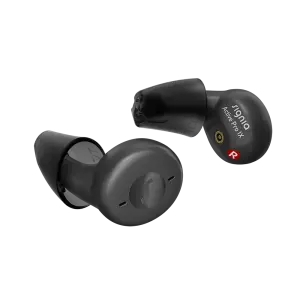
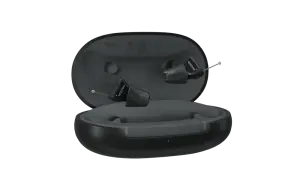
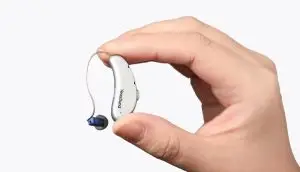
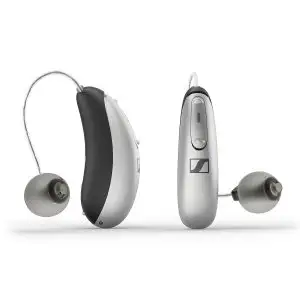
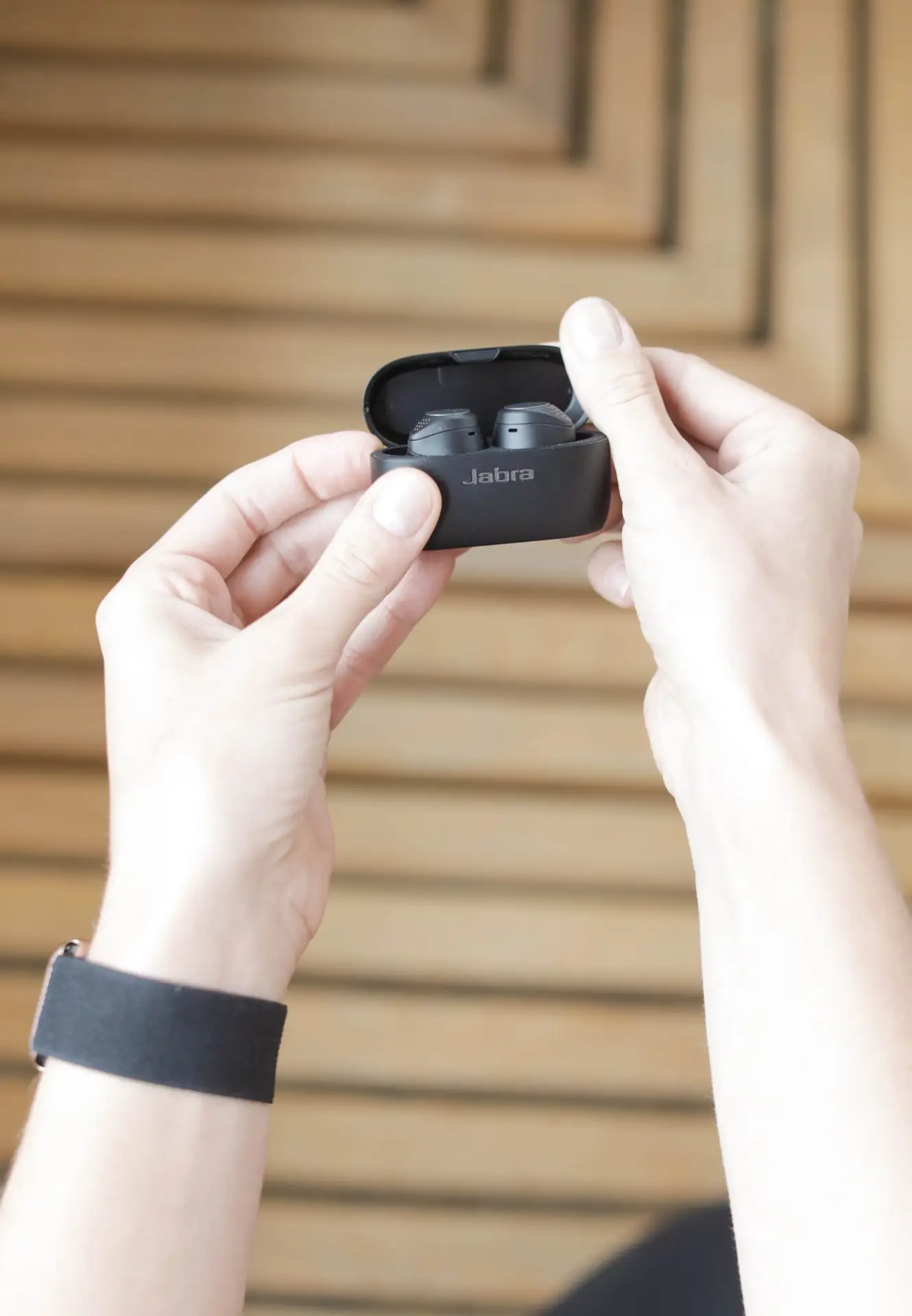
The major hearing aid manufacturer groups, Sonova (Phonak, Unitron), WS Audiology (Signia, Widex, Rexton), GN Group (ReSound, Beltone), and Miracle-Ear, have each established OTC product lines or formed partnerships with consumer tech brands like Sennheiser, Sony, and Jabra. Retail giants like Best Buy have stepped in as distribution partners, giving these products enormous reach.
On the surface, more distribution sounds like a win for consumers. And in some ways it is as OTC hearing aids are now easier to find than ever. But there’s a meaningful tradeoff happening that most consumers aren’t aware of.
The Innovation Gap: Why OTC Devices Often Use Older Technology
Here’s something the big manufacturers rarely advertise: the technology in many OTC hearing aids is not their latest. There’s a strategic reason for this.
Large hearing aid companies have established product lines that have already passed regulatory review and can be manufactured at scale. Using those proven platforms for OTC distribution is faster, cheaper, and lower-risk for mass retail. Their newest, most advanced technology like better noise reduction, more precise frequency tuning, more sophisticated speech processing, is typically reserved for prescription-level devices, where higher prices and professional fitting justify the investment.
For the consumer shopping at a big-box retailer, this means that the “hearing aid from a brand I recognize” on the shelf may not represent that brand’s best capabilities. You’re often buying convenience and brand familiarity, not cutting-edge hearing technology.
This is not universally true; some OTC devices do incorporate genuinely strong technology, and the market is evolving. But it’s a dynamic worth understanding before you assume that a recognizable corporate name means state-of-the-art performance.
The Retail Problem: When the Person Selling You a Hearing Aid Isn’t a Hearing Professional
The presence of OTC hearing aids in major retail chains creates a specific challenge: the people available to answer your questions are generalist customer service staff, not hearing care professionals. They can tell you the price, show you the packaging, and process your return. What they can’t do is assess your hearing, explain how different devices address different frequency patterns, or help you understand whether a given device is suited to your specific type of hearing loss.
For someone with straightforward mild hearing loss who has done their homework, this may not be a problem. But for the many first-time buyers who don’t yet understand their own hearing needs, retail guidance can lead to a mismatch, and a mismatch leads to a return, frustration, and sometimes a decision to give up on hearing aids entirely. That last outcome is the one I find most concerning.
Why Hearing Aid Innovation Matters for Everyone
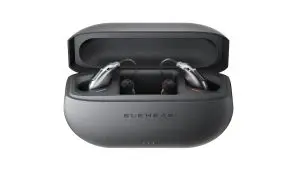
It would be easy to read all of this as pessimistic about OTC hearing aids. It’s not meant to be. The OTC category has genuinely expanded access in meaningful ways, and innovation in this space, from smaller devices to rechargeable batteries to Bluetooth streaming to app-based audiograms, has been real and valuable.
What I’m advocating for is more innovation, not less. Specifically, smaller companies and startups with genuinely novel approaches to hearing technology deserve shelf space alongside the corporate giants. The original intent of OTC legislation, more competition, more options, lower prices, is best served when the market includes a wide range of players, not just the same major manufacturers in a new retail channel.
Remote programming, AI-driven sound adjustment, telehealth integration, and improved diagnostic tools are all areas where innovative companies are pushing the field forward. These advances benefit everyone, OTC users and prescription hearing aid users alike.
What OTC Hearing Aids Were Always Meant to Be: A Bridge, Not a Final Destination
The OTC hearing aid legislation that eventually led to the FDA’s 2022 rule had a specific intent: to increase competition, lower price points, and create an accessible entry point for people with mild to moderate hearing loss, while they determine whether they need more personalized professional care. In other words, OTC was designed as a bridge, not a replacement for the full scope of hearing healthcare.
That framing is useful. An OTC hearing aid is a legitimate and often excellent starting point. For some people, it’s all they ever need. For others, it’s the step that helps them realize their needs are more complex and that leads them, finally, to seek professional evaluation. Either outcome is a good one. The problem comes when someone buys a poorly matched device, has a bad experience, and concludes that hearing aids just don’t work when the real issue was fit, not the technology itself.
How Hears Hearing & Hearables Approaches the OTC Market Differently
We made a deliberate choice to be involved in the OTC hearing aid space — not despite being audiologists, but because of it. Consumers deserve access to expert guidance when navigating this market, and independent audiology practices are uniquely positioned to provide it.
We Carry Devices We’ve Actually Evaluated
Our OTC hearing aid selection isn’t determined by which corporate partnerships offer the best margins. We carry devices that we’ve assessed for sound quality, usability, and real-world performance. That selection will evolve as new products enter the market, and we’ll keep updating our recommendations accordingly.
We Offer Device Demos
Buying a hearing aid without hearing it first is a significant limitation of the OTC model. We conduct demos so that patients can experience the differences between devices, such as sound profiles, clarity, and comfort, before committing. Yes, demos add a small cost. But finding a device that actually works for your ears on the first try is worth it.
We’re Transparent About Returns and Exchanges
We actively encourage customers to try a device, live with it, and exchange it if it’s not right. Every product in our store comes with at least a two-week return window, yet the OTC hearing aid offers up to 45 days. The goal is always to find what works for you and not to make a sale and move on.
We Provide Audiologist Guidance Separately from the Device Sale
Our audiology services are available independently of any device purchase. If you want a professional hearing assessment before choosing an OTC device, or if you try one and aren’t sure it’s working as well as it should, we’re here for that conversation.
Shop Informed, Whatever You Decide
The OTC hearing aid market is here, it’s growing, and it genuinely offers good options for people with mild to moderate hearing loss. But it’s not a perfectly level playing field, yet. Understanding who dominates the market, why some devices use older technology, and what retail guidance can and can’t offer puts you in a much stronger position as a buyer.
Whether you buy from us, from a retailer, or directly from a manufacturer, go in informed. Know your hearing needs, know what features matter, and don’t hesitate to ask for professional input if you’re unsure. That’s what we’re here for.
Explore our OTC hearing aid selection, learn about our demo process, or reach out directly! We’re happy to help.
Kim Fishman, Audiologist | Hears Hearing & Hearables
Frequently Asked Questions: The OTC Hearing Aid Market
Do OTC hearing aids use the latest technology?
Not always. Many OTC hearing aids sold through large retail chains use older technology from established manufacturers, while newer innovations are often reserved for professionally fit prescription devices. However, the OTC market is evolving, and some devices do incorporate strong current technology. Researching specific products rather than relying on brand name alone is important.
Are OTC hearing aids from big brands better?
Brand recognition doesn’t guarantee performance. Major hearing aid manufacturers often reserve their most advanced technology for prescription-level devices. An OTC device from a well-known brand may use an older platform designed for mass distribution. Independent evaluation of sound quality and features matters more than brand name alone.
Can I get professional guidance on OTC hearing aids?
Yes. While OTC hearing aids don’t require a professional fitting, audiologists and hearing care professionals can assess your hearing, explain the differences between devices, and help you choose an option that matches your specific hearing profile. This guidance is typically available as a separate service from the device purchase.
Why do big retailers sell OTC hearing aids?
Following the FDA’s 2022 rule, major corporations, including Best Buy, Sony, and Sennheiser, partnered with hearing aid manufacturers to distribute OTC devices. This increased product availability but also shifted the point of sale away from hearing care professionals, which can affect the quality of consumer guidance at the point of purchase.
What was the original purpose of OTC hearing aids?
OTC hearing aids were designed to increase competition, lower prices, and create an accessible entry point for adults with mild to moderate hearing loss, particularly those who had been delaying treatment due to cost or access barriers. They were intended as a starting point, with professional care remaining an option for those with more complex needs.