Private Equity and Venture Capital in Hearing Care: What It Means for the Care You Receive
By Kim Fishman, Audiologist | Hears Hearing & Hearables | Hears to U Clinic, Hopkins, Minnesota
There is a question that most patients never think to ask their audiologist, and that most audiologists are never asked: Who owns this practice?
For most of audiology’s history, that question had a predictable answer: the audiologist did. Private practices, physician groups, hospital systems, and the people delivering care were generally the people who owned the business they worked in, or were employed by a mission-driven institution.
That has changed significantly. Private equity and venture capital have apparently invested over $1.86 billion in the hearing aid and audiology sector in recent years, and the pace of acquisition has accelerated. Understanding what investor-owned healthcare looks like in practice, what it changes, what the risks are, and what safeguards matter is genuinely useful for anyone making decisions about their hearing care.
What Venture Capital and Private Equity Actually Are, And How They Differ
Venture Capital
A venture capitalist (VC) is an investor who provides capital to companies, typically early-stage or growing businesses, in exchange for an equity stake. The investment may come from an individual (sometimes called an angel investor) or from a firm investing pooled capital from its own investors.
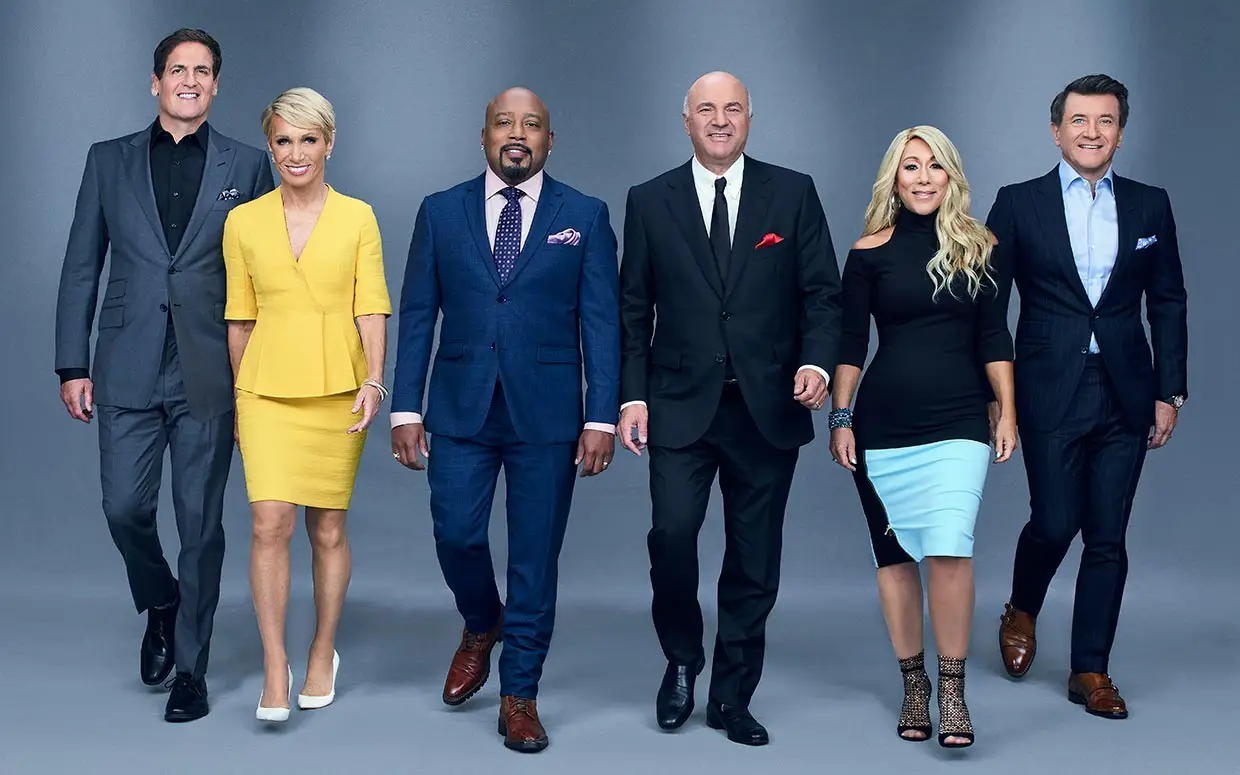
If you’ve watched Shark Tank, you’ve seen venture capitalism in action: a business owner seeks funding, an investor offers capital in exchange for ownership. In healthcare, VC investment has grown dramatically. Between 2010 and 2017 alone, investment in digital health increased by over 800%, far outpacing both general venture capital growth (166%) and healthcare spending growth (34%).
Private Equity
Private equity operates similarly but typically targets more established companies rather than startups. PE firms raise capital from institutional investors and high-net-worth individuals, use that capital to acquire controlling interests in companies, work to increase the value of those companies over a period typically of three to seven years, then sell either to another buyer or through a public offering.
The fundamental economics: PE firms aim to increase the value of what they buy and then exit profitably. In healthcare, this typically means acquiring multiple practices, consolidating them for operational efficiency and purchasing power, and growing revenue, then selling the combined entity at a multiple of what was paid.
What PE and VC Investment Looks Like in Hearing Care, Specifically
The hearing aid and audiology sector has attracted substantial outside investment in recent years. Here’s what that investment actually looks like on the ground:
Audiology Practice Roll-Ups
Private equity firms have been acquiring independent audiology practices and consolidating them under shared management and purchasing structures.
A 2025 peer-reviewed study published in OTO Open examined PE acquisitions of otolaryngology practices, which include audiology groups, from 2010 to 2023, finding significant changes in workforce composition following acquisition. The research was presented at the American Academy of Otolaryngology’s 2024 annual meeting.
Manufacturer and TPA Acquisitions
The structural story detailed in earlier posts in this series is itself largely a private equity and strategic acquisition story. WS Audiology was formed in 2019 through the merger of Sivantos (Signia) and Widex, a private equity-backed transaction. The subsequent acquisitions, TruHearing, HearUSA, and hear.com, are the downstream effects of investor-driven consolidation. UnitedHealthcare Hearing’s acquisition of EPIC Hearing from Sonova is another chapter in the same story.
Startup Investment in Consumer Hearing Technology
The OTC hearing aid category attracted significant VC interest in the years surrounding the FDA’s 2022 rule change. Companies like Earlens Corporation have raised $388 million in total funding. The broader hearing aid devices sector has collectively raised $1.86 billion across 213 companies, with $715 million from VC firms in the last decade alone, according to market data from Tracxn.
Why Ownership Structure Matters for the Care You Receive
This is the question that connects the financial structure to your appointment. When a practice is owned by outside investors rather than by the clinicians working in it, a new operating reality takes hold, and it matters in specific, concrete ways.
The Mission Conflict
The traditional central tenet of healthcare is: do what is best for the patient. When outside investors own a practice, a competing imperative is introduced: do what produces a return for investors. These two imperatives are not always in conflict, but they are sometimes, and when they are, the structure of the business determines which wins.
This is not a claim that investor-owned practices are inherently bad or that clinician-owned practices are inherently good. Not all PE-backed healthcare systems behave exploitatively, and not all physician-owned practices are ethically sound. The concern is structural: a business with external shareholders has a built-in financial pressure that a clinician-owned practice with no outside investors does not.
The Three to Seven Year Horizon
PE firms typically plan to exit their healthcare investments within three to seven years, selling to another buyer or taking the company public. This creates a specific pressure: the business needs to look maximally attractive to a buyer at the point of sale. What maximizes exit value isn’t always what maximizes patient outcomes. Volume, revenue per visit, and operational efficiency are measurable and attractive to buyers. Acclimatization support, unhurried follow-up appointments, and the time spent counseling a patient through a difficult hearing loss diagnosis are harder to capture in a financial model.
Workforce Changes
The 2025 OTO Open study on PE acquisitions in otolaryngology documented measurable changes in workforce composition after acquisition, including changes in the mix of physician, audiologist, and advanced practice provider staffing. The research found that PE acquisition is associated with shifts that affect the clinical expertise available to patients. This is consistent with PE’s typical approach to cost reduction through staffing optimization.
Incentive Design
When clinician compensation includes metrics tied to volume, specific product recommendations, or upsell conversions, the incentive structure can work against patient-centered care. A well-designed PE healthcare structure includes safeguards against this, dedicated clinical oversight, patient-first board commitments, and separation between clinical and business decision-making. These safeguards exist in some investor-backed healthcare businesses and are absent in others.
The Legitimate Case for Outside Investment in Healthcare
Intellectual honesty requires saying this clearly: not all venture capital and private equity involvement in healthcare is harmful, and dismissing it entirely misses real benefits.
- Capital enables innovation: bringing a new hearing aid technology, a new care delivery model, or a better patient experience to market is expensive. Private capital has funded genuine advances in hearing technology that would not have happened without it.
- Capital can enable access: some PE-backed groups have expanded hearing care into underserved communities where independent practices could not sustain themselves economically.
- Operational expertise matters: the business challenges that drive independent audiologists toward PE deals, rising HR costs, complex billing, and recruitment difficulties, are real. As one otolaryngologist quoted in ENTtoday (March 2025) noted, the access to capital and operational resources that PE provides can free clinicians to focus on care rather than administration.
The concern is not outside investment per se. It is the absence of structural safeguards that ensure patient interests are protected when they conflict with investor interests, and the absence of disclosure that lets patients know they’re navigating this dynamic.
What Good Governance Looks Like in Investor-Backed Hearing Care
The original blog this post is based on identified four structural safeguards that investor-backed healthcare organizations should have. These remain relevant and worth sharing, because they give patients a framework for evaluating any provider, investor-backed or not:
- Board dual obligation: the board commits to serving both investors and patients, with an explicit statement that if these interests conflict, the patient comes first.
- Chief Medical Officer with independent standing: the CMO reports both to the CEO and to the board, with direct board access and compensation and authority equivalent to other senior officers.
- Independent Clinical Director: a practicing clinician on the board who serves as a clinical conscience, with a clear boundary between clinical decisions and business decisions. Clinical matters are decided by clinicians.
- Incentive vigilance: executive and provider compensation is designed to avoid rewarding overuse, underuse, or misuse of clinical services. Where possible, incentives are tied to clinical outcomes, better hearing, fewer returns, and patient satisfaction, rather than to volume or revenue.
These are reasonable expectations to have of any investor-backed healthcare provider. If you’re using a PE-backed audiology practice or hearing aid company, asking whether these governance structures exist is a legitimate question.
The Case for Publicly Funded, Independent Research
One of the most important points in the original post is about research: too often, patients and clinicians have to rely on studies done by the same companies selling the products being studied. When a hearing aid manufacturer funds the clinical trials evaluating its own hearing aids, the potential for bias, even unintentional bias, is real.
The call for publicly funded, independent studies of the impact of investor-backed innovations on clinical and economic outcomes in hearing care has not been answered. Most of the research that guides clinical practice in audiology comes from manufacturer-funded studies, professional organizations with industry relationships, or the manufacturers’ own data.
Independent, peer-reviewed research, like the 2025 OTO Open study on PE acquisitions in otolaryngology, is valuable precisely because it’s not funded by the industry it’s studying. More of it is needed. Until it exists at scale, informed patients and clinicians need to read funding disclosures carefully and weigh manufacturer-funded research accordingly.
Why We Built Hears Hearing & Hearables Without Outside Investment
This post exists because we believe informed patients make better decisions, and because we made a specific choice about how to build our business that this series makes meaningful.
Hears Hearing & Hearables has no venture capital investment. No private equity ownership. No outside shareholders whose return on investment competes with patient outcomes. We fund ourselves through our membership and our sales. Our interests are aligned with our patients and our network providers, not with a three-to-seven-year exit horizon.
This is not a claim that our model is perfect or that investor-backed hearing care is always inferior. It is a statement about what we chose and why, and about the specific conflicts of interest that we believe are worth avoiding.
When evaluating any hearing care provider, online or in person, it’s reasonable to ask: Who owns this practice? Is it investor-backed? If so, what governance structures ensure patient interests are protected? A provider who answers these questions clearly is demonstrating the transparency that good care requires.
Questions About the Hearing Care Landscape?
This series exists because we believe an educated patient is better served than an uninformed one. If you’ve read all six posts and want to talk through what they mean for your specific situation, your insurance, your hearing loss, and your options, our team is here for that conversation.
Contact our team, find a provider in our network, and follow the provider to her Fees.
— Kim Fishman, Audiologist | Hears Hearing & Hearables | Hears to U, Hopkins, Minnesota
Frequently Asked Questions: Private Equity and Venture Capital in Hearing Care
How much has private equity invested in hearing care?
The hearing aid devices sector has collectively raised $1.86 billion in venture capital and private equity across 213 companies, according to market data from Tracxn (2025). VC firms alone have invested $715 million in the sector over the last decade. This investment has accelerated since the FDA’s 2022 OTC hearing aid rule change opened new market opportunities.
How do I know if my audiologist’s practice is private equity-owned?
Ask directly: ‘Is this practice independently owned, or is it part of a larger corporate group or investor-backed network?’ You can also search the practice name along with terms like ‘private equity,’ ‘PE-backed,’ or ‘investor.’ National audiology chains, including some that operate under familiar local-sounding names after acquisition, may be PE-owned without making it obvious. If ownership is unclear, that itself is useful information.
Does private equity ownership affect my hearing care?
It can, depending on the governance structures in place. Key risk areas include incentive design (whether clinician compensation rewards volume or specific product recommendations over patient outcomes), follow-up care compression (PE-backed practices often optimize for efficiency, which can reduce unhurried follow-up appointments), and workforce composition changes (research published in OTO Open in 2025 documented changes in clinician staffing after PE acquisition of otolaryngology practices). Good PE-backed healthcare organizations have structural safeguards to mitigate these risks; not all do.
What is the difference between venture capital and private equity in healthcare?
Venture capital typically funds early-stage companies, startups and growth-stage businesses, in exchange for equity stakes, with the goal of a profitable exit through sale or IPO. Private equity typically acquires controlling interests in established companies, often consolidating multiple practices or businesses, with a three-to-seven-year horizon before selling. In hearing care, VC has funded hearing technology startups and OTC companies; PE has primarily acquired and consolidated audiology practices and care delivery networks.
Is it bad that hearing care companies take outside investment?
Not inherently. Outside investment has funded genuine innovation in hearing technology and expanded access to care in some communities. The concern is structural rather than categorical: investor-backed healthcare introduces a competing imperative, return on investment, that can conflict with patient-centered care. The safeguards that protect patients (independent clinical governance, patient-first board commitments, well-designed incentives) matter more than whether outside investment is present.
Is Hears Hearing & Hearables investor-backed?
No. Hears Hearing & Hearables has no venture capital or private equity investment. We are independently funded through our membership and our sales. We have no outside shareholders whose financial interests compete with our commitment to patient-centered care. This is a deliberate choice, and one we think is worth explaining clearly.