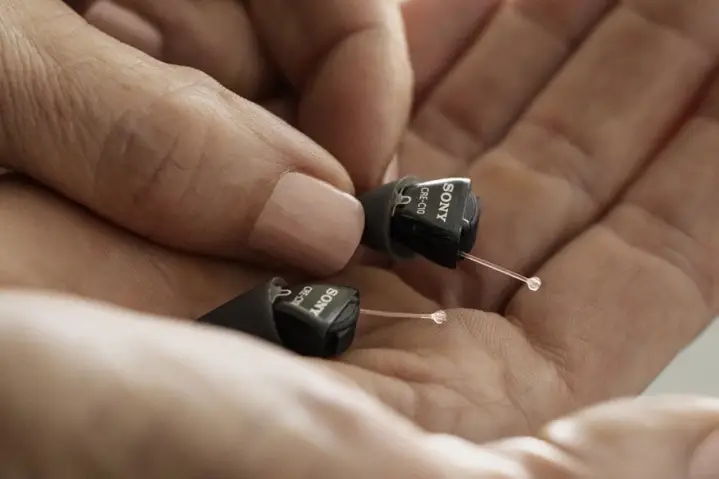
Shopping for hearing aids for the first time can feel overwhelming, especially now that you have more choices than ever. Thanks to a recent FDA rule change, over the counter hearing aids are available without a prescription, a doctor’s visit, or an audiologist appointment. But prescription hearing aids haven’t gone anywhere either. So how do you know which type is the right fit?
This guide breaks down the key differences between OTC hearing aids and prescription hearing aids such as covering cost, features, performance, convenience, and more, so you can make a confident, informed decision about your hearing health.
What Are OTC Hearing Aids?
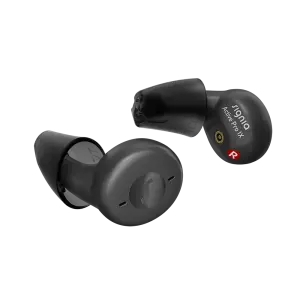
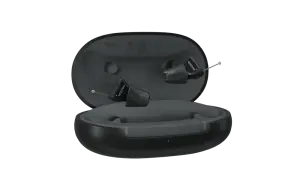
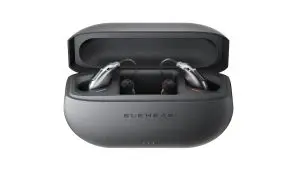
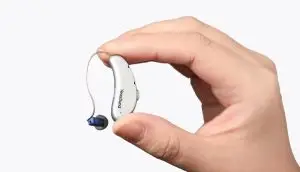
Over the counter hearing aids are FDA-regulated devices designed for adults 18 and older with mild to moderate hearing loss. You can buy them directly like online or in retail stores without any prescription or professional fitting. Modern OTC devices have come a long way: many now include noise reduction, Bluetooth connectivity, app controls, and rechargeable batteries.
They’re user-adjustable, meaning you control the volume and sound settings yourself. That independence is a major appeal for first-time buyers who want a simpler, faster path to better hearing.
What Are Prescription Hearing Aids?
Prescription hearing aids require a comprehensive evaluation by an audiologist or hearing care professional. Based on your full hearing profile, which measures hearing ability across multiple sound frequencies, the device is custom-programmed to your exact needs. They address a wider range of hearing loss severity, including moderate-to-severe and severe-to-profound loss, and can account for structural factors in your ear or auditory nerve that OTC devices cannot.
OTC vs. Prescription Hearing Aids: Key Differences at a Glance
Cost
Cost is one of the most significant differences. Prescription hearing aids can run anywhere from $2,000 to $7,000 or more per pair, often not covered by standard insurance. Definitely not covered by Medicare. OTC hearing aids are considerably more affordable, many quality options fall in the $200–$1,500 range. For first-time buyers or those on a budget, this difference alone can be decisive.
Access and Convenience
Prescription hearing aids require scheduling appointments, waiting for fitting, and follow-up visits for adjustments. OTC hearing aids can be ordered today and delivered to your door. For people in rural areas, those with mobility limitations, or anyone who has been putting off getting help because of the process, OTC devices remove real barriers.
Customization and Fit
This is where prescription hearing aids have a clear advantage. Because hearing loss varies by frequency, you may struggle more with high-pitched voices than low-pitched sounds, or vice versa and a professionally programmed device can target your specific hearing gaps with precision. OTC hearing aids offer self-adjustment, which works well for many people with mild loss, but may fall short if your hearing needs are more nuanced.
Features and Technology
The gap between OTC and prescription features has narrowed considerably. Many OTC devices now offer noise reduction, directional microphones, Bluetooth streaming, and companion apps. That said, top-tier prescription devices still lead in performance, particularly in complex listening environments like restaurants, large gatherings, or concerts.
Comfort and Long-Term Wearability
Prescription hearing aids are fitted to your ear’s shape and your hearing profile, which can make them more comfortable for all-day wear. Some users find OTC devices less comfortable over extended periods, particularly if the fit isn’t quite right. This is worth considering if you plan to wear hearing aids most of the day.
Advantages of OTC Hearing Aids
- More affordable –significantly lower upfront cost
- No prescription or audiologist visit required
- Available online and in retail stores — fast and convenient
- Wide variety of styles, sizes, and price points
- User-controlled adjustments — put you in charge of your hearing
- Discreet options available for those who prefer low-profile devices
- Modern features like Bluetooth and noise reduction increasingly common
Potential Disadvantages of OTC Hearing Aids
- Not tailored to your specific hearing profile — may miss key frequencies
- Limited effectiveness for moderate-to-severe or severe hearing loss
- Self-adjustment can be trial and error without professional guidance
- May be less comfortable for extended all-day wear
- Not appropriate for children or those with complex hearing needs
Tips for Choosing the Right OTC Hearing Aid
If you’ve decided OTC is the right starting point, here’s how to shop smart:
- Do your research first. Read reviews from verified buyers, and look for independent comparisons — not just manufacturer claims. Our team at Hears Hearing & Hearables can help.
- Consider sound quality and amplification level. Not all OTC devices produce the same sound. Look for devices that specify the frequencies they amplify, and check whether those match your areas of difficulty.
- Check comfort and fit. Look for adjustable ear tips and lightweight designs, especially if you plan to wear the device for long stretches.
- Look for a solid return policy. This is important. If the device doesn’t work well for your hearing needs, you want the ability to return it without hassle.
- Consult a professional if you’re unsure. Even a single appointment with a hearing care provider can help confirm whether OTC is the right tier for you which can potentially save you money by steering you away from a device that won’t work for you.
So, Which Should You Choose?
Over the counter hearing aids are an excellent starting point for adults with mild to moderate hearing loss who want an affordable, accessible option. They offer real benefits; lower cost, no appointments, modern features like AI, and for many people, they’re more than enough.
But they’re not for everyone. If your hearing loss is more significant, if you’ve tried OTC devices without success, or if you want the precision of a professionally fitted device, prescription hearing aids are the better investment. The right answer depends entirely on your specific hearing needs and that’s exactly what we’re here to help you figure out.
As you continue your hearing journey, don’t miss our upcoming posts on why treating hearing loss sooner rather than later matters and what to expect when you’re ready to take the next step.
Ready to explore OTC hearing aids? Browse our online selection at Hears Hearing & Hearables — and reach out anytime for personalized guidance.
Frequently Asked Questions
Are OTC hearing aids as good as prescription hearing aids?
For mild to moderate hearing loss, OTC hearing aids can be highly effective and offer many of the same features as prescription devices. However, prescription hearing aids are custom-programmed to your exact hearing profile and can address a wider range of hearing loss severity.
Can I buy OTC hearing aids without seeing a doctor?
Yes. FDA rules allow adults 18 and older to purchase OTC hearing aids directly — no prescription, medical exam, or audiologist visit required.
How much do OTC hearing aids cost compared to prescription?
OTC hearing aids typically cost between $200 and $1,500 per pair. Prescription hearing aids can range from $2,000 to $7,000 or more.
What is the best OTC hearing aid for mild hearing loss?
The best OTC hearing aid depends on your specific hearing profile, lifestyle, and budget. Key factors to evaluate include sound quality, comfort, adjustability, and return policy. We recommend reading independent reviews and consulting a hearing care professional if you’re unsure.
Do OTC hearing aids work for severe hearing loss?
No. OTC hearing aids are designed specifically for mild to moderate hearing loss. People with moderate-to-severe or severe hearing loss should consult an audiologist for prescription options.