5 Signs You Need a Hearing Test; At Any Age
By Kim Fishman, Audiologist | Hears Hearing & Hearables | Hears to U Clinic, Hopkins, Minnesota
Hearing loss doesn’t announce itself. It tends to creep in gradually, so gradually that most people don’t notice it’s happening until someone else points it out, or until they realize they’ve been compensating for years without realizing it.
And it isn’t just a senior issue anymore. While hearing loss is one of the most common treatable conditions in older adults, it’s increasingly affecting younger people too. Loud work environments, headphones at high volume, genetics, and head trauma from sports or accidents are all contributing to a broader hearing loss landscape than most people expect.
No one particularly wants to hear that they should get their hearing tested. But if it helps you get more out of every conversation, every gathering, every phone call and why wouldn’t you? The research is detailed that untreated hearing loss has real consequences for cognitive health and social connection over time. The sooner it’s addressed, the better the outcome.
Here are five honest questions to ask yourself. If you’re answering yes to more than one, it’s worth taking the next step.
Sign 1: You’re Constantly Asking People to Repeat Themselves
If “sorry, can you say that again?” has become a regular part of your conversations, that’s not a communication style, it’s a symptom. Consistently needing others to repeat themselves, speak louder, or face you directly when they talk is one of the earliest and most reliable signs of hearing difficulty.
It’s worth noting that this sign often affects the people around you as much as it affects you. Friends and family who find themselves repeating things frequently are usually the first to suggest a hearing test, often before the person with hearing loss has noticed anything themselves.
If two or more people have independently suggested you get your hearing checked, take that seriously. The people around you often notice before you do.
Start with our free Hearing Handicap Screening Test, it’s a quick, self-guided tool that helps identify whether your hearing warrants further evaluation.
Sign 2: Background Noise Is Getting in Your Way
The ability to follow a conversation in a noisy environment, a restaurant, a party, a busy office, is one of the first things hearing loss affects. This happens because hearing loss doesn’t reduce all sounds equally. It tends to reduce the clarity of speech frequencies first, which makes it harder to pull a voice out of background noise even when the overall volume seems fine.
If you find yourself nodding along at dinner without actually following what’s being said, or consistently struggling to hear at your own table while others seem to manage fine, that pattern is meaningful. It’s not the restaurant’s fault. It’s worth getting checked.
This is also the symptom that tends to drive social withdrawal; people start avoiding noisy environments because they’re exhausting rather than enjoyable. If that sounds familiar, don’t wait.
Sign 3: You’re Turning the Volume Up, and Others Are Noticing
Television volume is one of the most reliable external signals of hearing loss, not because you notice it, but because the people around you do. If family members are regularly turning the TV down after you’ve turned it up, or if you find yourself maxing out the volume on your phone to follow a conversation, these are objective data points that your hearing is working harder than it should.
The same applies to any situation where you notice you need significantly more volume than the people around you, such as audiobooks, podcasts, radio, or conference calls. The gap between what you need and what others around you need is the signal.
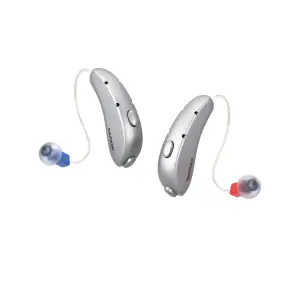
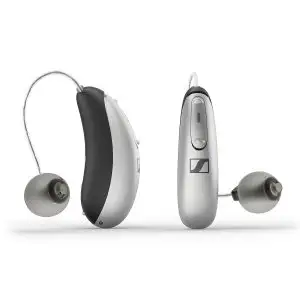
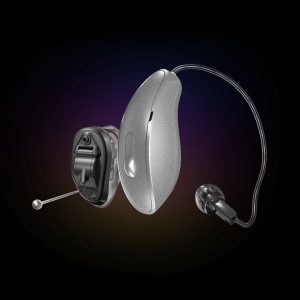
Hearing aids and assistive technology can help significantly with this, and the OTC options now available mean you don’t necessarily need a prescription to get started.
Sign 4: You Have Ringing or Noise in Your Ears (Tinnitus)
Tinnitus, the perception of ringing, buzzing, hissing, or other sounds when no external sound is present, is one of the most common indicators of hearing system stress. It can occur in one or both ears, and it ranges from occasional and mild to constant and disruptive.
Tinnitus is not exclusively a senior concern. It can affect people of any age, including children and young adults who have been exposed to loud music, attended concerts without ear protection, or experienced a head injury. If your child complains of ringing in the ears that doesn’t go away, that’s a reason to have their hearing evaluated, not something to wait out.
Important distinction: tinnitus and hearing loss are related but not identical. You can have tinnitus without measurable hearing loss, and hearing loss without tinnitus. But tinnitus is often the first sign the auditory system is under strain, and it’s a reason to get evaluated, not ignored.
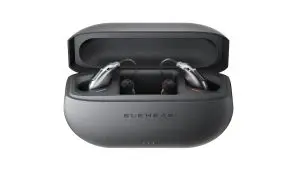
Many modern hearing aids include tinnitus masking features, including devices like the ELEHEAR Beyond Pro and Yeasound RIC800 in our OTC lineup, that can provide meaningful relief alongside improved hearing.
Sign 5: Phone Calls Have Become Difficult or Something You Avoid
Phone calls are harder for people with hearing loss because they remove the visual and contextual cues, facial expressions, lip movement, and body language that help fill in the gaps when hearing is reduced. If you find yourself dreading phone calls, consistently struggling to follow them, preferring text over calls, or asking people to repeat themselves more on the phone than in person, that pattern is worth paying attention to.
Avoidance is one of the most common responses to early hearing loss, and one of the most underrecognized. People stop calling friends, start skipping events, and withdraw gradually from social situations that have become exhausting. This isn’t just a quality-of-life issue. Research consistently links this kind of social withdrawal to accelerated cognitive decline.
The good news: many OTC and prescription hearing aids now include Bluetooth streaming that routes phone calls directly through the devices, making calls significantly clearer. You don’t have to avoid phone calls because of hearing loss.
Recognizing the Signs Is the First Step, Here’s What to Do Next
If any of the five signs above feel familiar, the most useful thing you can do is take a simple hearing screening. Not a definitive diagnosis, just an honest first look at what’s happening with your hearing.
Here’s how to get started, depending on your situation:
- Take our free Hearing Handicap Screening Test, a quick online tool that helps identify whether your hearing challenges warrant further evaluation.
- Schedule a telehealth consultation, talk to our audiologist-led team from wherever you are before deciding on next steps. [LINK to telehealth page]
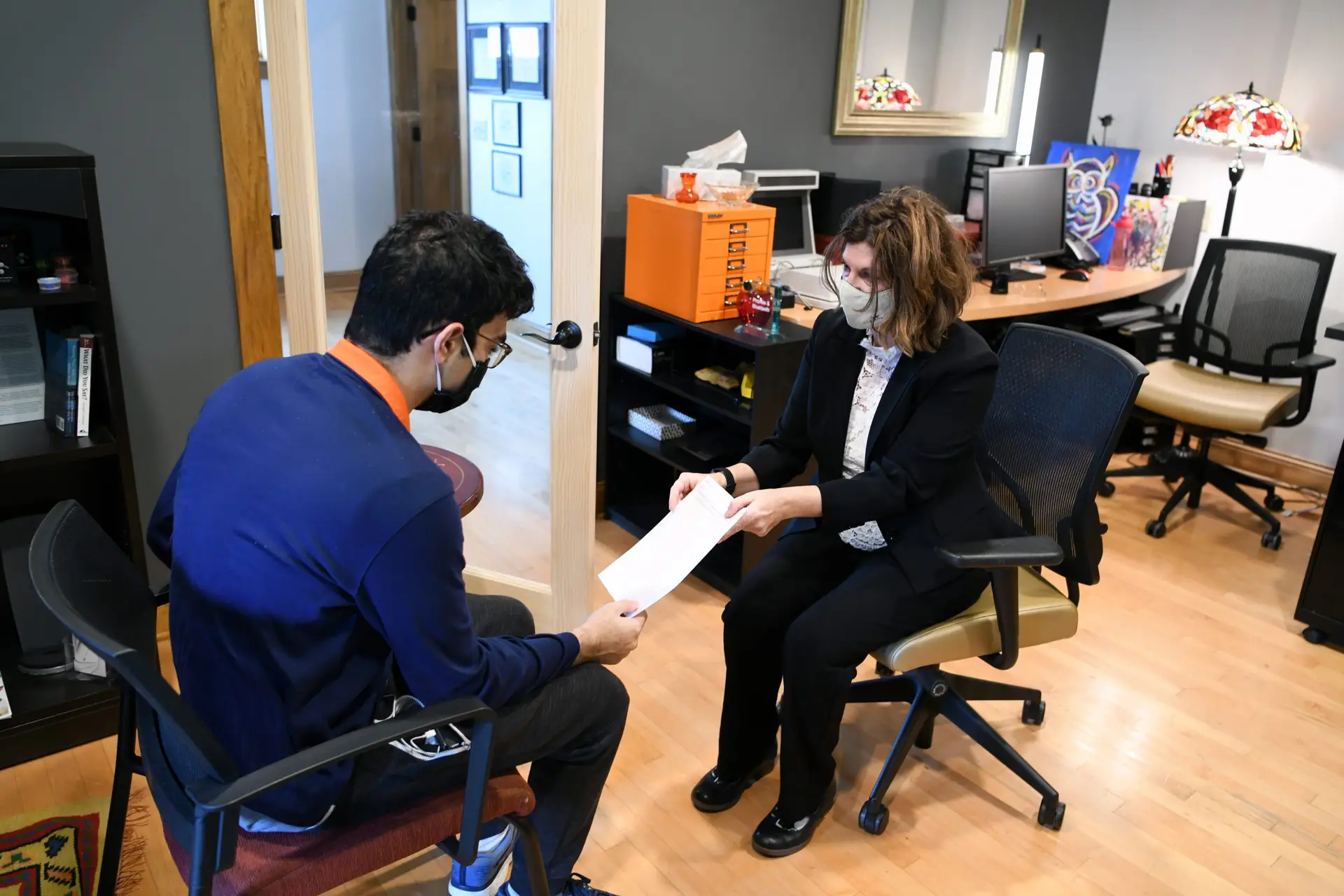
- Visit Hears to U in Hopkins, Minnesota, for patients in the Minneapolis area. An in-person hearing evaluation gives you a complete picture of your hearing profile.
- Explore OTC hearing aids — if your loss is mild to moderate and you want to try something accessible before committing to a full evaluation, our OTC lineup starts at $369.
One of our patients, Anne, waited years before addressing her hearing loss, then came to us after being quoted $6,000 elsewhere. She left with a solution that worked beautifully for her specific needs at a fraction of that cost. The longer you wait, the more you miss in the meantime.
You Don’t Have to Live With Hearing Loss
There’s no point in managing something that can be addressed, and the options available today, from affordable OTC devices to professionally fit prescription hearing aids, mean that hearing better is more accessible than it’s ever been.
If you’re experiencing any of the signs above, reach out. We’d love to help you figure out what’s actually going on with your hearing and point you toward the right next step, whether that’s a simple screening, an OTC device, or a professional evaluation.
Take our free screening test, or contact our team.
— Kim Fishman, Audiologist | Hears Hearing & Hearables | Hears to U, Hopkins, Minnesota
Frequently Asked Questions: Signs You Need a Hearing Test
What are the signs you need a hearing test?
The five most common signs are: frequently asking people to repeat themselves, struggling to follow conversations in noisy environments, needing significantly higher volume than others for TV or phone, experiencing ringing or buzzing in the ears (tinnitus), and finding phone calls difficult or starting to avoid them. If you recognize more than one of these, a hearing screening is a worthwhile next step.
Is hearing loss only a problem for older adults?
No. While hearing loss is one of the most common treatable conditions in older adults, it increasingly affects younger people as well. Loud work environments, prolonged headphone use, genetics, and head trauma from sports or accidents all contribute to hearing loss at younger ages. It’s worth knowing your hearing baseline at any age.
What is the difference between tinnitus and hearing loss?
Tinnitus is the perception of sound, such as ringing, buzzing, or hissing, when no external sound is present. Hearing loss is a measurable reduction in the ability to detect sounds. The two often occur together, but you can have tinnitus without measurable hearing loss, and hearing loss without tinnitus. Tinnitus is frequently an early signal that the auditory system is under strain and warrants evaluation.
How do I know if I need an OTC or prescription hearing aid?
OTC hearing aids are designed for adults with mild to moderate hearing loss who want to address it without a prescription or professional fitting. Prescription hearing aids are custom-programmed to your exact audiogram and can address mild to profound hearing loss. The best way to know which applies to your situation is to take a hearing screening or professional evaluation. Our free Hearing Handicap Screening Test is a good first step.
What should I do if I notice signs of hearing loss?
Start with a hearing screening, either our free online Hearing Handicap Screening Test or an in-person evaluation at a hearing care clinic like our Hears to U location in Hopkins, Minnesota. A screening takes just a few minutes and gives you a clear picture of whether further evaluation or treatment is warranted. The sooner you address hearing loss, the better the long-term outcome for both your hearing and your overall cognitive health.
Can hearing loss affect my brain health?
Yes. Research consistently links untreated hearing loss with accelerated cognitive decline, social withdrawal, and reduced brain stimulation. The auditory cortex receives less input when hearing declines, and the social isolation that often follows hearing loss reduces overall cognitive engagement. Addressing hearing loss early, with OTC devices, prescription hearing aids, or other intervention, is one of the most meaningful things you can do for long-term brain health.