
7 Symptoms That Mean You Need a Doctor, Not a Hearing Aid
By Kim Fishman, Audiologist | Hears Hearing & Hearables | Hears to U Clinic, Hopkins, Minnesota
Buying hearing aids online, whether OTC or prescription, has become genuinely safe and accessible for a large number of people. We’ve written about how to do it well. But there’s a conversation that needs to happen first, and it’s one that responsible hearing care providers don’t skip even when it’s inconvenient:
There are specific symptoms that mean you should see a licensed audiologist or ENT physician before purchasing any hearing device, not because buying online is inherently dangerous, but because certain symptoms indicate medical conditions that need diagnosis and treatment before amplification is appropriate. Skipping that step doesn’t just risk a poor hearing outcome. In some cases, it risks delaying care for something that genuinely needs medical attention.
This post covers those symptoms specifically, what they are, why each one matters, and what to do if you have one. It is not meant to alarm or discourage. The vast majority of people shopping for hearing aids don’t have these symptoms. But if you do, this is the most important thing you’ll read before making a purchase.
The FDA’s own guidelines for OTC hearing aids include a labeling requirement that devices warn buyers to consult a physician if they experience any of the symptoms described in this post. This isn’t fine print. It’s a clinical safeguard that exists because these symptoms can indicate conditions requiring medical treatment, not just amplification.
7 Symptoms That Require Medical Evaluation Before Any Hearing Device Purchase
1. Visible Deformity of the Ear
Any irregularity in ear structure, whether present since birth or resulting from trauma, surgery, or injury, needs professional assessment before amplification devices are used. The shape and integrity of the ear canal and outer ear directly affect how hearing aids fit, how sound is delivered, and whether a standard device is even appropriate. In some cases, a custom solution or medical intervention is needed first.
If you or someone in your care has a structural ear difference, please consult an audiologist or ENT before purchasing any hearing device, OTC, or prescription.
2. Discharge From the Ear
Fluid, pus, or blood coming from the ear within the past six months is a red flag that should not be self-treated with amplification. Discharge can indicate active infection (otitis media or externa), a perforated eardrum, cholesteatoma, or other conditions that require medical treatment.
Placing a hearing aid in an ear with active discharge or unresolved infection can worsen the condition, introduce bacteria deeper into the canal, or prevent a wound from healing properly. The discharge needs to be evaluated and resolved before any device is introduced.
3. Ear Pain or Discomfort
Pain in the ear, otalgia, can originate from the ear itself or be referred from nearby structures like the jaw, teeth, throat, or cervical spine. When it originates from the ear, it commonly signals outer or middle ear problems: infection, inflammation, eustachian tube dysfunction, or injury.
Amplifying sound in an ear with unresolved pain can be uncomfortable at best and harmful at worst. Pain is the ear’s signal that something needs attention, not amplification. Resolve the cause of pain with a physician or audiologist before purchasing a hearing device.
4. Excessive Earwax or Suspected Foreign Object
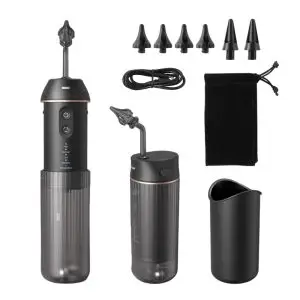
Significant earwax buildup (cerumen impaction) can mimic or worsen hearing loss, cause discomfort, and affect how a hearing device fits and functions. A foreign object in the ear canal, particularly in children, requires professional removal before any device is introduced.
If you suspect significant earwax buildup, an audiologist or physician can safely remove it and assess whether it has been contributing to your hearing difficulty. In some cases, once earwax is removed, the perceived hearing loss resolves or improves substantially, meaning you may not need a hearing device at all, or may need less amplification than you thought.
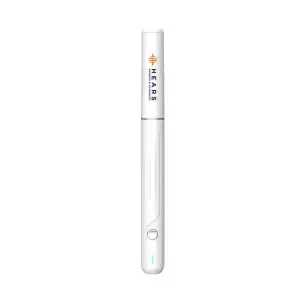
We carry a wireless digital video otoscope in our store that allows you to view inside your own ear canal. While this doesn’t replace a professional evaluation, it can help you determine whether visible earwax or a foreign object might be contributing to your symptoms before seeking care.
5. Vertigo or Severe Dizziness
Spinning sensations, imbalance, or severe dizziness, particularly when accompanied by hearing changes, can indicate inner ear conditions, including Meniere’s disease, benign paroxysmal positional vertigo (BPPV), labyrinthitis, or vestibular neuritis. Some of these conditions require urgent medical assessment.
Vertigo and hearing loss occurring together is a pattern that audiologists and ENT physicians take seriously. It can also be associated with vestibular schwannoma (acoustic neuroma), a benign but clinically significant tumor affecting the hearing and balance nerve. This should always be evaluated by a physician before any hearing device is purchased.
6. Sudden or Rapidly Fluctuating Hearing Loss
Sudden sensorineural hearing loss (SSNHL), a rapid loss of hearing occurring within 72 hours, is a medical emergency. It requires immediate evaluation and treatment, typically with corticosteroids, which are most effective when started quickly. Treating sudden hearing loss as a shopping problem rather than a medical emergency can result in permanent hearing damage that could have been prevented or reduced with timely care.
Fluctuating hearing, where your hearing ability noticeably varies from day to day or week to week, is similarly a signal that something beyond age-related hearing loss may be occurring. Meniere’s disease, autoimmune inner ear disease, and other conditions can cause fluctuating hearing and require diagnosis and management before amplification is appropriate.
If you experience sudden hearing loss in one or both ears, treat it as an emergency and seek medical evaluation immediately, ideally within 24 to 72 hours. Do not purchase a hearing aid while waiting to see if it resolves on its own. Time matters significantly for treatment outcomes.
7. Hearing Loss in Only One Ear or Significant Asymmetry
When one ear hears significantly worse than the other, or when tinnitus (ringing) is present only on one side, it warrants medical evaluation before any hearing device is purchased. Asymmetric hearing loss can be caused by:
- Acoustic neuroma (vestibular schwannoma), a benign tumor on the hearing nerve
- Sudden sensorineural hearing loss, see above
- Structural differences between the ears
- Autoimmune conditions affecting one ear preferentially
- Noise-induced hearing loss affecting one ear from occupational or recreational exposure
Some of these conditions are manageable with appropriate medical care. Others require imaging studies to evaluate. An audiologist’s full evaluation will identify whether asymmetry is present and refer appropriately. Purchasing a standard hearing aid for asymmetric loss without evaluation can mask a condition that needs to be found.
What to Do If You Have Any of These Symptoms
If you recognize any of the seven symptoms above, the path forward is straightforward:
- See your primary care physician or an ENT specialist for evaluation and, if needed, treatment of the underlying condition.
- Follow up with a licensed audiologist for a comprehensive hearing evaluation once any active medical issues have been resolved. A full audiological assessment, not just a hearing screener, is the appropriate next step.
- Do not purchase a hearing aid OTC or prescription until you have a clear picture of what is causing your symptoms and whether a hearing device is appropriate at this stage.
If you’re in Minnesota, our Hears to U clinic in Hopkins can provide a comprehensive audiological evaluation and coordinate referrals to ENT physicians when warranted.
If you’re outside Minnesota, our team can help you identify a qualified hearing care professional in your area.
If You Don’t Have These Symptoms, Here’s Your Path Forward
The good news: most people shopping for hearing aids don’t have any of these red-flag symptoms. For adults with gradual, progressive hearing difficulty, particularly in noisy environments, on the phone, or with certain voices, the path forward is straightforward.
Start with a hearing evaluation to understand your degree and pattern of hearing loss. Then choose the right type of device, OTC for mild to moderate loss without professional fitting, or prescription for anything more significant or complex.
- Take our free Hearing Handicap Screening Test as a first step. [LINK to screening test]
- Read our guide to the differences between OTC and prescription hearing aids.
- For prescription hearing aids: read our guide on how to buy online safely and what your audiogram requirements are.
- Contact our team for a personalized recommendation. We’re happy to help you figure out the right path.
Not Sure Whether Your Symptoms Are a Red Flag?
When in doubt, ask a professional. A 10-minute telehealth call with our audiologist team can often clarify whether your situation calls for immediate medical evaluation, a comprehensive hearing test, or a straightforward hearing device selection. We would rather have that conversation with you than have you skip it.
Your hearing health is worth getting right, not just getting quickly.
Contact us, schedule a telehealth call, or visit our providers page.
— Kim Fishman, Audiologist | Hears Hearing & Hearables | Hears to U, Hopkins, Minnesota
Frequently Asked Questions: When to See a Doctor Before Buying Hearing Aids
Do I need to see a doctor before buying OTC hearing aids?
Not in most cases, OTC hearing aids are specifically designed to be purchased without a medical exam or prescription for adults with perceived mild to moderate hearing loss. However, the FDA requires OTC hearing aid labels to advise buyers to consult a physician if they experience any of the seven red-flag symptoms described in this post. If you have any of those symptoms, please see a physician or audiologist before purchasing any hearing device.
What is sudden hearing loss and why is it an emergency?
Sudden sensorineural hearing loss (SSNHL) is a rapid loss of hearing, typically defined as occurring within 72 hours, that is a medical emergency. Treatment with corticosteroids is most effective when started quickly, ideally within 24-72 hours of onset. Patients who wait to see if sudden hearing loss resolves on its own risk permanent hearing damage that earlier treatment could have prevented or reduced. If you experience sudden hearing loss, seek medical evaluation immediately.
What does asymmetric hearing loss mean, and why does it matter?
Asymmetric hearing loss means one ear hears significantly worse than the other. This can occur in normal age-related hearing loss, but significant asymmetry, particularly when accompanied by tinnitus in one ear, warrants medical evaluation to rule out acoustic neuroma (vestibular schwannoma), sudden hearing loss, autoimmune conditions, and other causes. An audiologist’s comprehensive evaluation will identify asymmetry and refer appropriately.
Can earwax cause hearing loss?
Yes. Significant earwax buildup (cerumen impaction) can block the ear canal and reduce hearing substantially. In some cases, once impacted earwax is professionally removed, perceived hearing loss improves or resolves, meaning the person may not need a hearing device, or may need less amplification than they thought. If you suspect significant earwax, have it evaluated and professionally removed before purchasing any hearing device.
What should I do if I have ear pain or discharge?
See a physician or audiologist before purchasing any hearing device. Ear pain and discharge can indicate active infection, a perforated eardrum, or other conditions that require treatment before amplification is appropriate. Placing a hearing aid in an ear with an unresolved infection or discharge can worsen the condition.
How do I know if my hearing loss needs a doctor or just a hearing aid?
If your hearing loss has developed gradually over time, affects both ears similarly, and you don’t have any of the seven red-flag symptoms in this post, visible ear deformity, discharge, pain, suspected earwax blockage, vertigo, sudden or fluctuating loss, or significant asymmetry, your hearing loss is likely the kind that can be addressed with a hearing evaluation and appropriate device. If any of those symptoms are present, see a physician or audiologist first. When in doubt, a telehealth call with our team can help clarify the right next step.