
Is It Time to Buy Hearing Aids? An Honest Guide to Knowing When to Act
Most people who eventually get hearing aids waited an average of seven years from first noticing a problem before doing anything about it. Seven years of asking people to repeat themselves. Seven years of turning the TV up. Seven years of nodding along in conversations and hoping no one notices.
This is not a criticism. Hearing loss is gradual, the signs are easy to explain away, and getting help feels like a bigger step than it needs to be. But those seven years have a cost that goes beyond missing words. Research is increasingly clear that untreated hearing loss affects the brain, the body, and the social connections that keep us well as we age.
This post is for the person who suspects it might be time but has not quite committed to finding out. Here is an honest guide to what the research says, what the signs look like in real life, and what your options actually are.
The Fatigue Nobody Talks About
One of the most underrecognized symptoms of hearing loss is exhaustion, and it is not the kind of tiredness that sleep fixes.
When hearing is reduced, the brain compensates. It works harder to fill in the gaps, pulling on executive function and working memory resources that would otherwise be available for thinking, remembering, and staying engaged. Researchers call this listening effort, and studies consistently show that people with hearing loss use significantly more cognitive resources to achieve the same level of speech understanding as people with normal hearing.
The result: by the end of a day that involved any meaningful amount of conversation, many people with untreated hearing loss feel disproportionately drained. Not because they did more, but because their brain worked harder doing the same things. A dinner with friends becomes exhausting in a way it never used to be. A work meeting leaves them depleted. A family gathering feels overwhelming rather than enjoyable.
A 2022 study in the Journal of the American Academy of Audiology found that hearing aid use significantly reduced listening-related fatigue in older adults with hearing loss. The same research connected chronic listening fatigue to increased risk of social withdrawal, which is itself a risk factor for cognitive decline.
If you find yourself more tired than you expect to be after social situations, this is worth paying attention to. It is not a personality change. It is not aging. It may be your brain working overtime to compensate for what your ears are missing.
Isolation: The Slow Withdrawal Nobody Plans
Hearing loss does not make people want to be alone. What it does is make social situations harder, louder, more effortful, and less rewarding. And so, gradually and often unconsciously, people start opting out.
They stop going to the restaurant where the acoustics are bad. They skip the family gathering that gets noisy. They let phone calls go to voicemail. They stop raising a hand in meetings because they are not confident they heard the question correctly. Each decision feels reasonable. The cumulative effect is isolation.
The research on what social isolation does to the aging brain is extensive and sobering. A recent large-scale meta-analysis of over 600,000 participants found that loneliness is associated with approximately a 31% higher risk of developing dementia. Separate research from the All of Us cohort found that hearing loss combined with loneliness significantly accelerated cognitive impairment, more so than either factor alone.
This is not about personality or introversion. It is about a structural barrier to connection that hearing loss creates, and that hearing aids can genuinely reduce. Studies show that hearing aid users maintain higher levels of social engagement than non-users with equivalent degrees of hearing loss, and that social engagement is one of the most powerful protective factors for brain health as we age.
Hearing Loss and the Brain: What the Research Actually Says
The relationship between hearing loss and cognitive decline is one of the most studied areas in aging research of the past decade, and the findings are consistent enough that the 2020 Lancet Commission on Dementia identified untreated midlife hearing loss as the largest single modifiable risk factor for dementia, accounting for approximately 8% of dementia cases worldwide. That is a larger proportion than hypertension, obesity, or physical inactivity.
Several mechanisms are proposed to explain the connection:
- Cognitive load: the brain’s effort to compensate for degraded auditory input diverts resources from memory and higher-level thinking, potentially accelerating cognitive decline over time.
- Brain atrophy: the auditory cortex receives less stimulation when hearing is reduced. Research using neuroimaging has shown that individuals with untreated hearing loss exhibit measurable differences in auditory cortex organization compared to those with normal hearing.
- Social disengagement: as described above, hearing loss contributes to isolation, which reduces the cognitive stimulation that social connection provides.
Importantly, the same research suggests that treating hearing loss can help. A long-term cohort study found that subjects with hearing loss who used hearing aids showed no greater cognitive decline than people with normal hearing, while those with untreated hearing loss showed significantly more severe decline over time.
This does not mean hearing aids prevent dementia. The research is observational rather than causal. But the direction of the evidence is consistent: treating hearing loss earlier is better for the brain than waiting.
Hearing Well Is Part of Staying Well
Hearing loss does not exist in isolation from the rest of your health. It connects to balance, to mental health, to sleep, to relationships, and to the confidence to stay active and engaged in the world.
Balance and Falls
The inner ear is involved in both hearing and balance. Research consistently links hearing loss to increased fall risk, independent of other factors. Some studies suggest that mild hearing loss nearly triples the risk of falls. Hearing aid use has been associated with improved postural stability. For older adults, falls are a leading cause of injury and loss of independence, making this connection clinically significant.
Mental Health
Depression and anxiety are more prevalent among people with untreated hearing loss than in the general population. The mechanisms are not fully understood but likely include social isolation, communication frustration, and the psychological impact of feeling cut off from conversations and relationships. Studies show that hearing aid use is associated with reduced rates of depression and improved quality of life scores.
Sleep
Many people with tinnitus, ringing or noise in the ears that often accompanies hearing loss, report significant sleep disruption. Hearing aids with tinnitus masking features can reduce tinnitus perception during waking hours, and some patients report improved sleep quality as a result. Here are some products we have to help you with your tinnitus.
Relationships
Communication is the foundation of every close relationship. When hearing loss makes communication effortful or frustrating, it strains partnerships, friendships, and family dynamics in ways that both parties often find difficult to articulate. Partners of people with hearing loss frequently report their own stress and frustration. The person with hearing loss often withdraws to avoid the embarrassment of misunderstanding. Hearing aids do not fix relationships, but removing the barrier that hearing loss creates can make a meaningful difference.
Signs It Is Time to Stop Waiting
You do not need to wait until you cannot hear at all. The right time to act is when hearing loss is affecting your life, not when it becomes debilitating. Here are the signs that mean now is the right time:
- You are more tired than you expect to be after social situations. Listening fatigue is a real and measurable consequence of hearing loss. If conversations drain you, this matters.
- You are avoiding situations you used to enjoy. Restaurants, parties, phone calls, meetings. If you are opting out because hearing is too hard, the cost is real.
- You are asking people to repeat themselves regularly. If this is a pattern rather than an occasional occurrence, it is a signal worth taking seriously.
- People around you are noticing before you are. Family members and close friends often identify hearing loss before the person experiencing it does. If two or more people have suggested you get checked, take that seriously.
- You are turning the TV up in a way others notice. Volume settings are an objective, external signal that is hard to rationalize away.
- You have tinnitus that is not going away. Persistent ringing, buzzing, or hissing in the ears warrants evaluation regardless of whether you notice other hearing difficulties.
- You feel less sharp after hearing-heavy days. Cognitive fatigue following intensive listening is a recognized symptom of hearing loss in the research literature.
What Is Stopping You, and Honest Answers
Cost
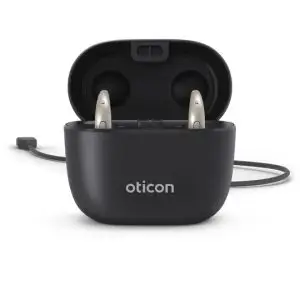
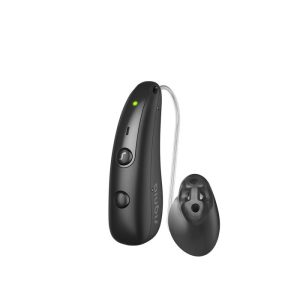
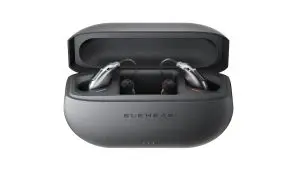
Hearing aids range from free (OTC devices if you qualify for certain programs) to several thousand dollars for prescription devices. OTC hearing aids now available from ELEHEAR, Yeasound, LINNER, and Sennheiser start at approximately $369 and require no prescription or audiologist visit. For mild to moderate hearing loss, these are a legitimate starting point. HSA and FSA funds can be used for both OTC and prescription devices.
Vanity
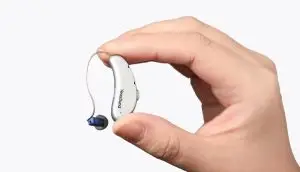
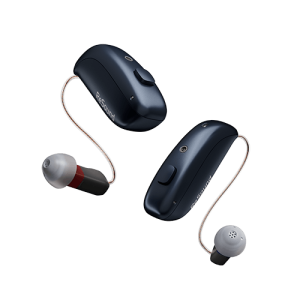
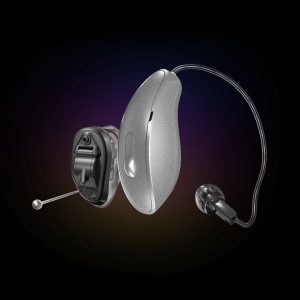
Today’s hearing aids are genuinely discreet. Receiver-in-canal devices sit almost entirely inside the ear canal and are invisible from most angles. Some OTC options, like Sony CRE C20 (alternative option Rexton Inox), which is no longer available, are nearly invisible when worn. The hearing aid stigma of bulky beige devices belongs to a different era.
I Will Wait and See
The research does not support waiting. Hearing loss is progressive in most cases, not self-resolving. The longer the auditory system goes without appropriate stimulation, the more the brain adapts to reduced input in ways that make eventual adjustment to hearing aids harder. Starting earlier produces better long-term outcomes. Waiting costs you seven years of relationships, energy, and brain health.
I Tried Hearing Aids Before and Did Not Like Them
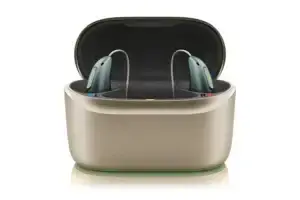
Hearing aid technology has changed dramatically in the past five to ten years. AI-powered noise processing, Bluetooth streaming, rechargeable batteries, and app-based self-fitting have transformed what the experience of wearing hearing aids feels like. If a previous device sat in a drawer, it is worth trying again with current technology. We offer demonstrations for prescription hearing aids and a 45-day return window on OTC devices.
Your Next Steps, Without Pressure
Getting started does not require a big commitment. Here are three low-pressure starting points depending on where you are:
- Take a free screening: our Hearing Handicap Screening Test is a quick online tool that gives you a clear picture of whether your hearing challenges warrant further evaluation. Five minutes, no appointment.
- Try OTC first: if your loss is mild to moderate, an OTC device is a legitimate first step that requires no audiogram, no appointment, and comes with a generous return window.
- Book a telehealth call: a 10-minute call with our team can help you understand whether OTC or prescription is the right path for your specific situation.
For patients in Hopkins, Minnesota or the greater Twin Cities area, our Hears to U clinic offers comprehensive hearing evaluations, demonstration programs for prescription hearing aids, and professional fittings with real-ear measurement.
The goal is not to sell you hearing aids. The goal is to help you hear better and to help you understand what untreated hearing loss costs in energy, connection, and long-term health. Those costs are real. And they do not have to continue
Frequently Asked Questions: Is It Time to Buy Hearing Aids?
At what age should I get hearing aids?
There is no minimum age for hearing aids and no reason to wait for a specific age. The right time is when hearing loss is affecting your quality of life, relationships, energy, or cognitive health, regardless of age. Hearing loss increasingly affects younger people due to noise exposure, and the research supports treating it earlier rather than waiting.
Can hearing loss cause fatigue?
Yes. Listening fatigue is a well-documented consequence of hearing loss. When hearing is reduced, the brain works significantly harder to compensate, drawing on executive function and working memory resources. The result is that social situations that were once energizing or neutral become exhausting. Research shows that hearing aid use reduces listening-related fatigue.
Does hearing loss really affect the brain?
The research is consistent: untreated hearing loss is the largest single modifiable risk factor for dementia, according to the 2020 Lancet Commission, accounting for approximately 8% of dementia cases worldwide. Proposed mechanisms include increased cognitive load, reduced auditory cortex stimulation, and social isolation. Studies show that people who treat their hearing loss show significantly less cognitive decline than those who do not.
What is the difference between OTC and prescription hearing aids?
OTC hearing aids are self-fitted and designed for adults with mild to moderate hearing loss. No audiogram or professional visit is required. Prescription hearing aids are custom-programmed to your specific audiogram by a licensed audiologist and address a wider range of hearing loss severity. If you are not sure which applies to your situation, our free Hearing Handicap Screening Test is a good starting point.
I tried hearing aids before and did not like them. Should I try again?
Yes. Hearing aid technology has changed dramatically. AI-powered noise processing, Bluetooth streaming, rechargeable batteries, and app-based self-fitting are now standard features in many devices. If a previous device sat in a drawer, the current generation is worth trying. We offer demonstrations for prescription hearing aids and a 45-day return window on OTC devices so you can try without committing.
How do I know if I need OTC or prescription hearing aids?
OTC hearing aids are appropriate for adults with perceived mild to moderate hearing loss who want to address it without a professional evaluation. Prescription hearing aids are appropriate for more significant hearing loss, complex hearing profiles, or anyone who wants the precision of audiogram-based professional fitting. Our free Hearing Handicap Screening Test helps identify which path makes more sense for your situation.